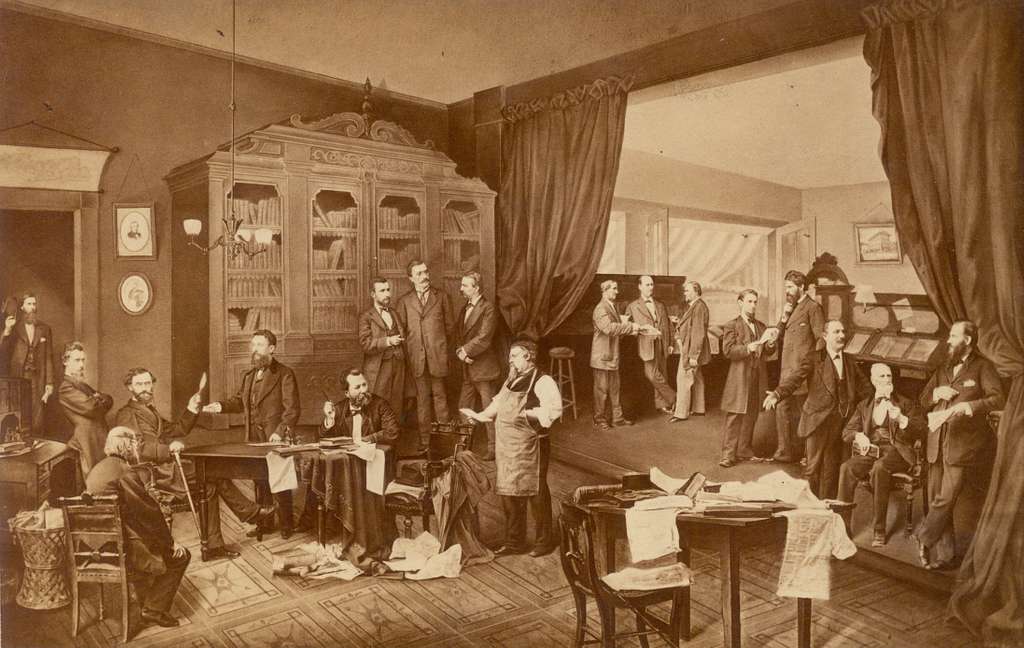

The right to vote has always been at the core of America’s politics, ever since the United States separated from the monarch-ruled British Empire in 1776. As seniors become eligible to vote, recent restrictive voting laws are ever-present.
Denise Lieberman, director of the Missouri Voter Protection Coalition, is an attorney working to expand voting rights in Missouri. She specializes in constitutional law, voting rights and election law, and testifies in favor of the expansion of voting rights. In her voting work, Lieberman’s career is defined by her efforts to engage marginalized voters. A recent case involving re-entry after incarceration illustrates her life as an attorney.
“A bill that is happening is one that would require the Department of Corrections to provide people who are exiting incarceration with a state ID, and this is a population that often doesn’t have any ID,” Lieberman said. “Having that ID not only helps them get a job or housing, but it’s also required for them to vote and will help them re-engage.”
Former inmates are not the only ones for whom getting a valid ID can be an issue. As a result of a 2022 bill, a student ID is no longer an acceptable form of voter ID, which would disproportionately affect younger voters who may not have access to their passports.
“What we saw right after the election, where this went into effect, was a dramatic decrease in voter provocation in Boone County, which is where Mizzou is located,” Lieberman said.
Missouri Voter Protection Coalition (MOVPC) distributes palm cards at the voting booth to those willing to learn more about voters’ rights to reduce election-day accidents. These cards are informative guides on ID requirements, legal voting rights and the Election Protection hotline.
“We provide these palm cards in seven different languages, so that new American communities, who often have the lowest voter registration rates, can feel like they understand the rules of the road and that they’re not going to be targeted or intimidated when they get to the polls,” Lieberman said. “This is really important these days, because we’ve seen an increase in voter intimidation.”
Jonathan Schmid, policy counsel for the ACLU, raises further concerns about a case involving voting without identification, which disproportionately affects people without access to identification.
“Historically, disenfranchised populations are less likely to have access to identification,” Schmid said. “We had to show [that] the burden that it takes someone to get an identification card and require that to exercise your right to vote is simply not so. The justification is that it prevents fraud, but voting fraud is incredibly rare, and voter ID does not prevent the kind of voting fraud that does occur.”
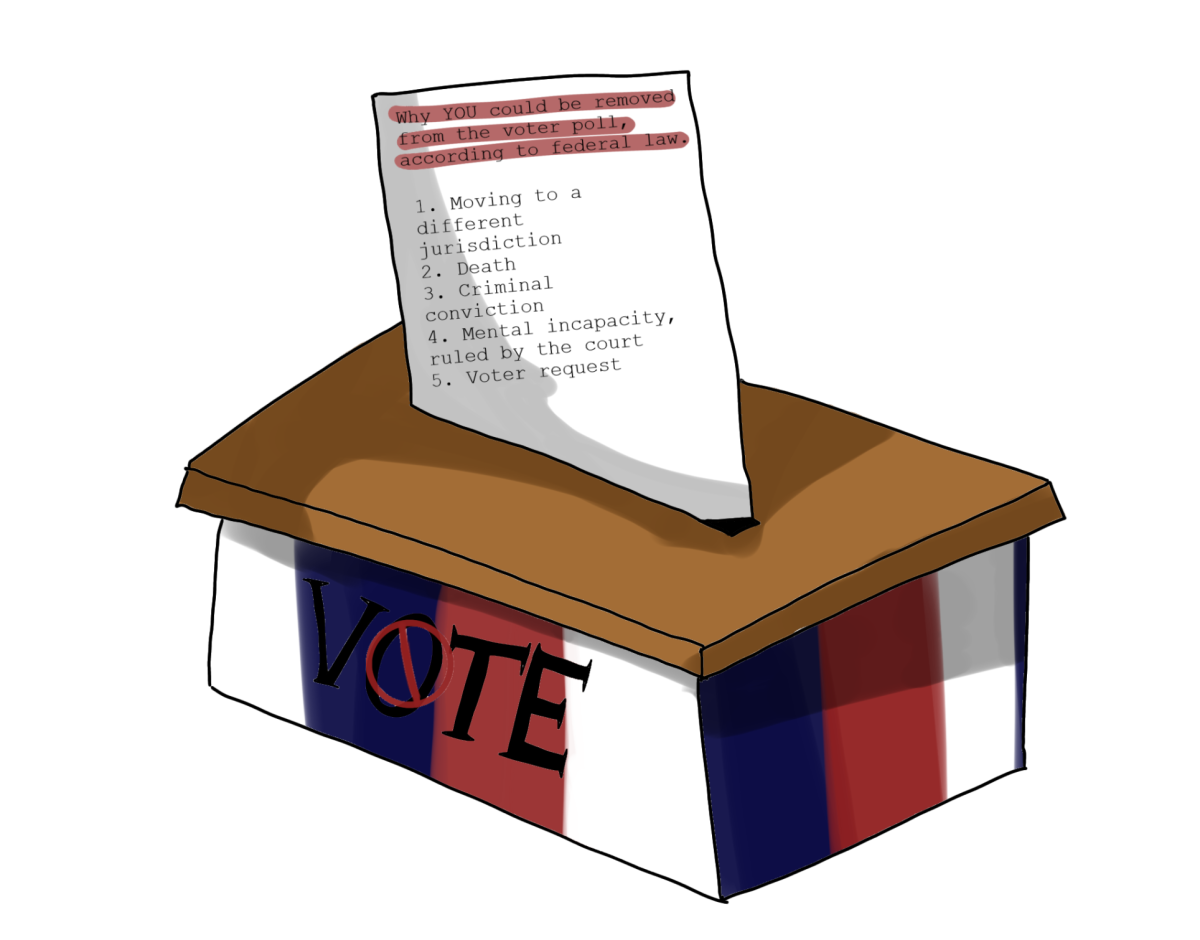
As of early 2026, voter list maintenance has become a point of legal and political debate.
“Ultimately, what ends up happening is [that] too many people get removed, and then on the day of your election day, they go to vote and they find out they’re no longer registered. So that’s why if we’re going to do these voter roll purges, then we need to have same-day registration or automatic voter registration,” Schmid said.