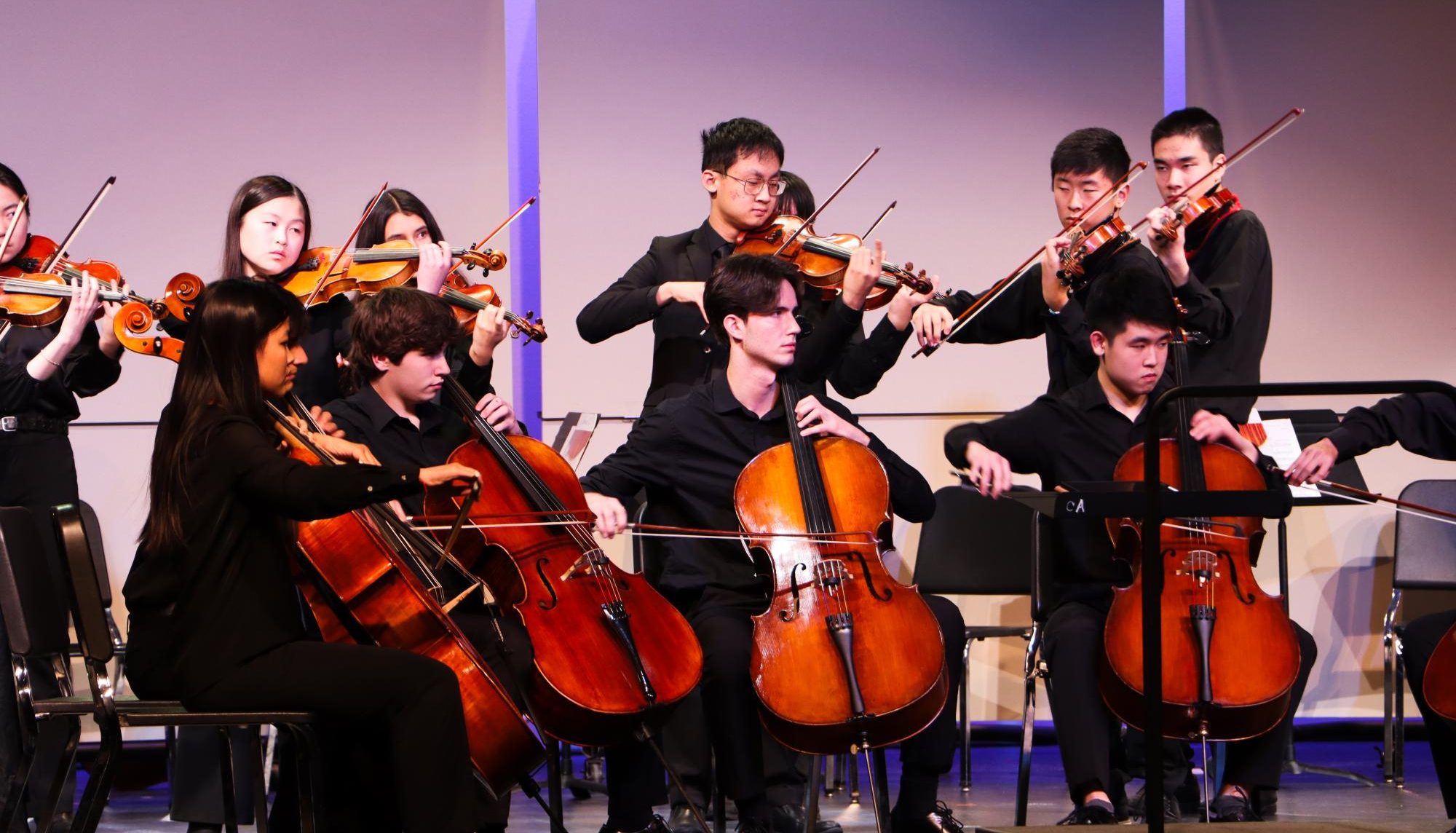

The roar of applause. A frenzy of joy and excitement fills the air. But behind the successful performance lie hours of practice and preparation. What is revealed at the performance is but the tip of the iceberg of all the passion and drive that was put into each piece.
“This concert is our pre-Festival concert. In March, we go to [the] large ensemble Festival where we play for judges, and we get a rating from the different judges based on our preparation [and] performance. This concert, we call it our pre-Festival [concert] because we’re doing it before the Festival [on Feb. 26],” Orchestra Director Daniel Henderson said.
Typically, Henderson shared, this cycle features the year’s most serious and challenging music.
“It’s kind of a stretch concert [where] I try to push the orchestras to be really refined. I’m doing a lot of listening and a lot of looking at the score and preparing assessments for the students that will help them be ready for the performance,” Henderson said.
The students perform before the next set of music is selected, which guides the group, according to Henderson.
“We might have some stars in the group, a medium where most people are, and some students who sometimes still struggle a little bit. So we need to keep in mind the success of the whole group,” Henderson said. That’s the challenging part about choosing repertoire.
Henderson believes in always bringing his students challenging music.
“It’s always just right for what you need. For this concert, it has a lot of dynamics, not just soft and piano, [but a] dynamic type of music where it’s engaging. They’re things that you need to spend time on. There’s a lot of ensemble things,” Orchestra teacher Mariana Wood said.
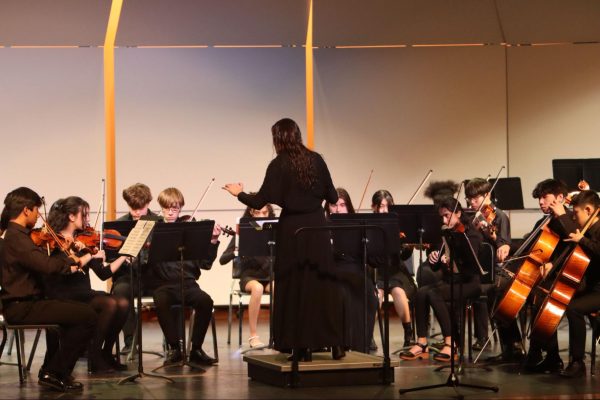
While the audience only sees the polished and practiced performance, Wood emphasizes the importance of the technical and logistical aspects of preparation. From the technical precision of sound checks and lighting to the administrative efforts of creating the perfect program and keeping track of the music score and conductor’s baton, all of it is to craft the perfect performance.
“[We check] all the checkpoints where we need to print our programs and make sure that all the names are correct on the program,” Wood said.
For students, the stretch Henderson describes manifests as hours of solidarity and group labor. Freshman Anna Yuhan Liu, currently navigating a difficult George Walker piece written in six sharps, describes the mental gymnastics required for such a technical key signature.
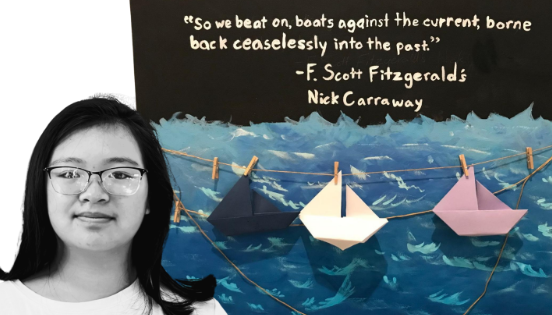
“I’m gonna isolate the parts where I’m not sure about, especially with the intonation,” Liu said. “Outside of orchestra, I practice 45 minutes to an hour on my school things. I don’t usually hit my school practice every day, like I [do] for my private [lesson] stuff, but once [or] twice a week, I’ll look at it for a good 45 minutes.”
Another way Liu practices is by listening to professional recordings and slowing the playback to hear how the sections interlock.
“I’ll write my ideas down and then present them to my section, and we have this healthy argument about it. In the end, it is an orchestra. If you play something different or have a different bowing, it’s going to stand out,” Liu said.
Junior Zoe Baldwin agrees that the weight of the performance rests on these small, individual moments of preparation.
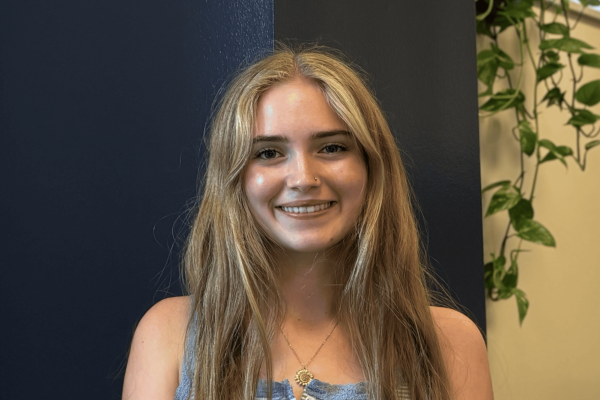
“Something that’s really helpful is meeting up as individual sections,” Baldwin said. “Making sure that you know all the parts [and] how they connect is always helpful [for the] performance, because not knowing your part in a concert is stressful.”
However, senior Sylvia Kennedy emphasizes the importance of working on dynamics and togetherness in the orchestra environment.
“In an orchestra, just playing together with other people is a challenge. Something [else] that we can always improve upon is dynamics and making sure that all the sections are together [with] what they’re doing with the dynamics,” Kennedy said.
Baldwin believes having the concert before the Festival is a good strategy.
“By the time we get to Festival, [we] don’t play in front of a big audience. It’s just a few judges. I feel less nervous for Festival [than] I do [for] the concert, because at the concert, you have a full auditorium of people, so I think being that nervous [while] playing those pieces and feeling what it feels like to play those pieces [under] pressure is a good practice run through for Festival,” Baldwin said.
While the performance is the public-facing goal, the end of the concert marks a transition to a period of reflection.
“I love the feeling of accomplishment [after the concert], just this sigh of [relief when] everything [was] great. It went well. It’s very exciting when we have a great concert, [of course]. [The] music was awesome, but [there was] also the feeling [that] there was a lot to put together and it went well. I feel like just that process is also something to celebrate,” Wood said.
Baldwin enjoys the energy that everyone brings on concert days.
“It definitely feels like everyone is playing a little bit edgier. There’s just something about it. You can feel everyone’s nerves. And if you feel under prepared, that feeling is really scary. But if you feel confident, then that feeling is really fun,” Baldwin said.
For Henderson, the reward is not in the applause, but in the moment the technical hurdle vanishes.
“I like the concerts, I like the performance, but my favorite thing is when something that’s been a struggle at the beginning of the process [isn’t] a problem anymore. We developed our skills, we drilled this spot enough, [and] we worked on it in a number of creative ways so that it’s not an issue,” Henderson said. “When that happens, you get to move to another level. You get to go higher with your thinking and your work.”