
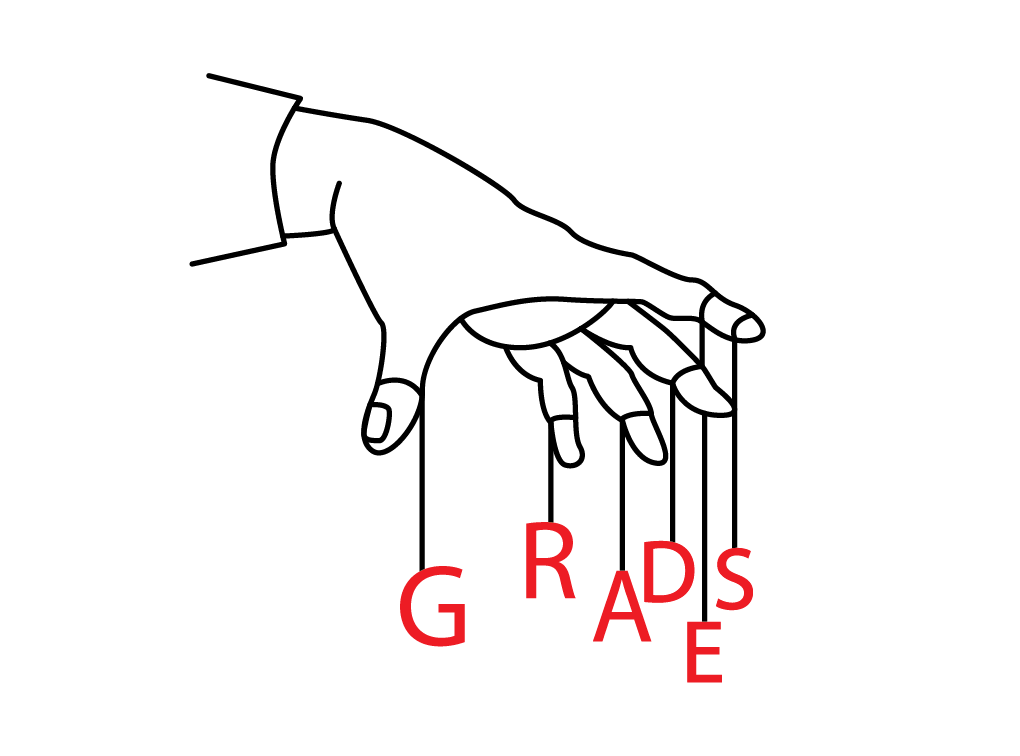
Whether through AP testing, the SAT, or the PSAT, everyone will interact with the College Board. They claim to be a nonprofit organization whose goal is to equalize education.
But is that true?
And in 2023, they reported a profit of $45 million, increased the cost of the AP exam, and saw their cash and investments grow to over $1.5 billion. Despite having such a large amount of cash and investments and making millions each year, they continue to raise the prices of their tests, which goes against the idea of both remaining a non-profit and equalizing access to education.
According to the College Board website, the average cost for an AP exam in 2025 was $99; at Clayton, the cost for an AP Gov exam was $110 per test. In 2023, the average cost was $97. This, while the College Board, a non-profit, raked in $122 million in profit just from the AP exam in 2023. And on top of the cost to take the test, it also costs money for them to send your scores to college; it costs $15 per college for standard digital delivery and takes seven to 14 business days, or you can pay $25 to have it sent digitally within five to nine business days.
Supposedly, the College Board is intended to equalize education, but for low-income students, it often serves as a gatekeeper. While they offer a waiver for students who have been documented as from low-income families, the reduced fee is still over $50, limiting the number of exams they can take, if any at all. This, while facing no competition.
While the AP program operates as a near-monopoly, the College Board faces some competition in its standardized testing offerings, with ACT as the only direct competitor to the SAT.
More than 1.9 million high school students took the SAT in 2023 according to the College Board, for $60 per test. According to the College Board, around 63% of students in 2023 took the SAT through an SAT school day, where the school often provides the SAT at no cost to the students; however, on average, a student will end up taking one to two more SATs outside of school to try to get a higher score, with the official College Board recommendation being to take it at least two times, which, given they have a vested interest in people taking their tests as many times as possible, makes sense. So a child may end up spending more than $100 just on the test.
That’s before we get into the SAT’s associated costs, such as tutors, prep courses and other bonus fees. For example, a student can pay $55 for a human “hand score verification” of their multiple choice test to prevent machine error in their grade. Prep courses can range from $100 to $3,600, according to Test Prep Insight, and specialty tutors can cost $25 to $100 per hour, according to tutors.com. This is all to say the SAT creates a wall, which more often than not means the more money you have, the better score you get.
The College Board has failed on its founding ideas; it has not remained a nonprofit and has continuously raised its prices while making millions in profit annually. It has not only failed to equalize education but also has created an economic barrier that students need to find some way to cross because of how ingrained in the college application process standardized tests and AP scores have become. All the supposed nonprofit College Board has done is show that if you have the money, the College Board can be your best friend.







Jen Baird • Jan 24, 2026 at 9:49 am
Very interesting and well written piece!