
In just a few months, the Class of 2026 will graduate. With the celebration will come a new challenge—the ever-evolving economy.
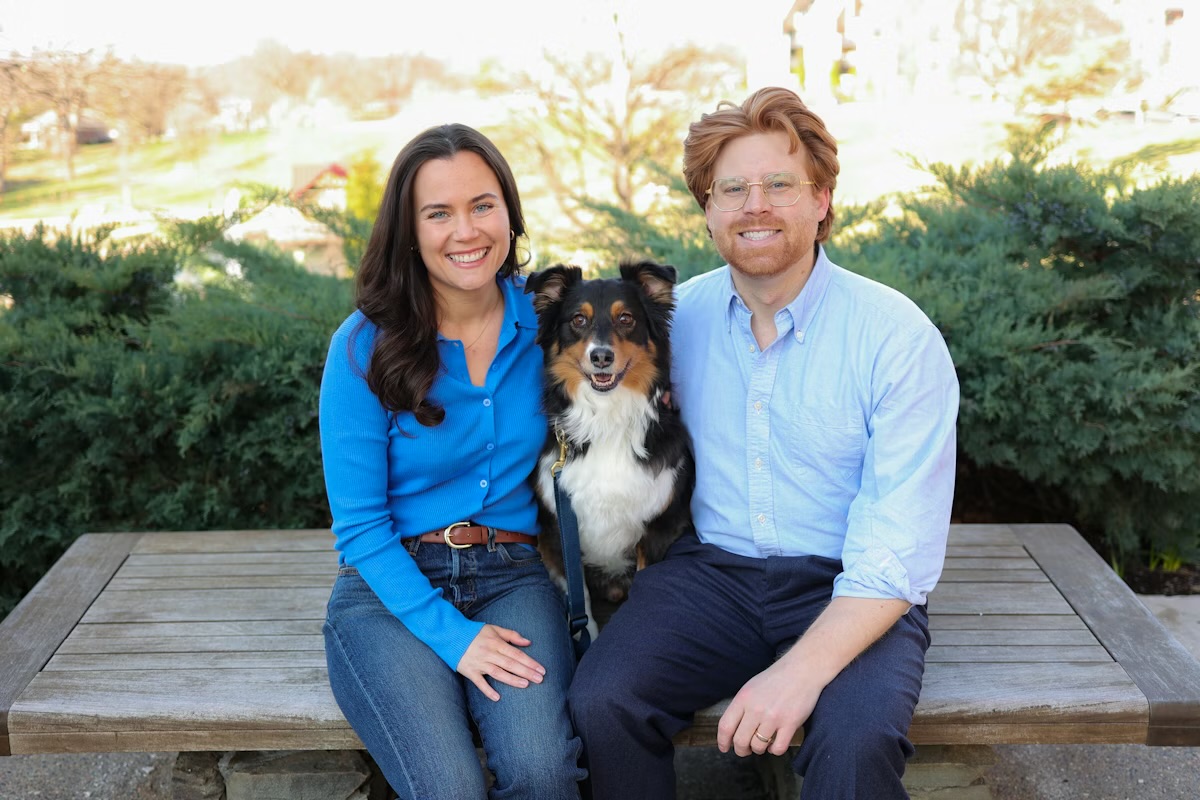
“The price of everything is going up, and it’s upsetting that as citizens, we don’t have much control over that,” senior Ashley Ngo said.
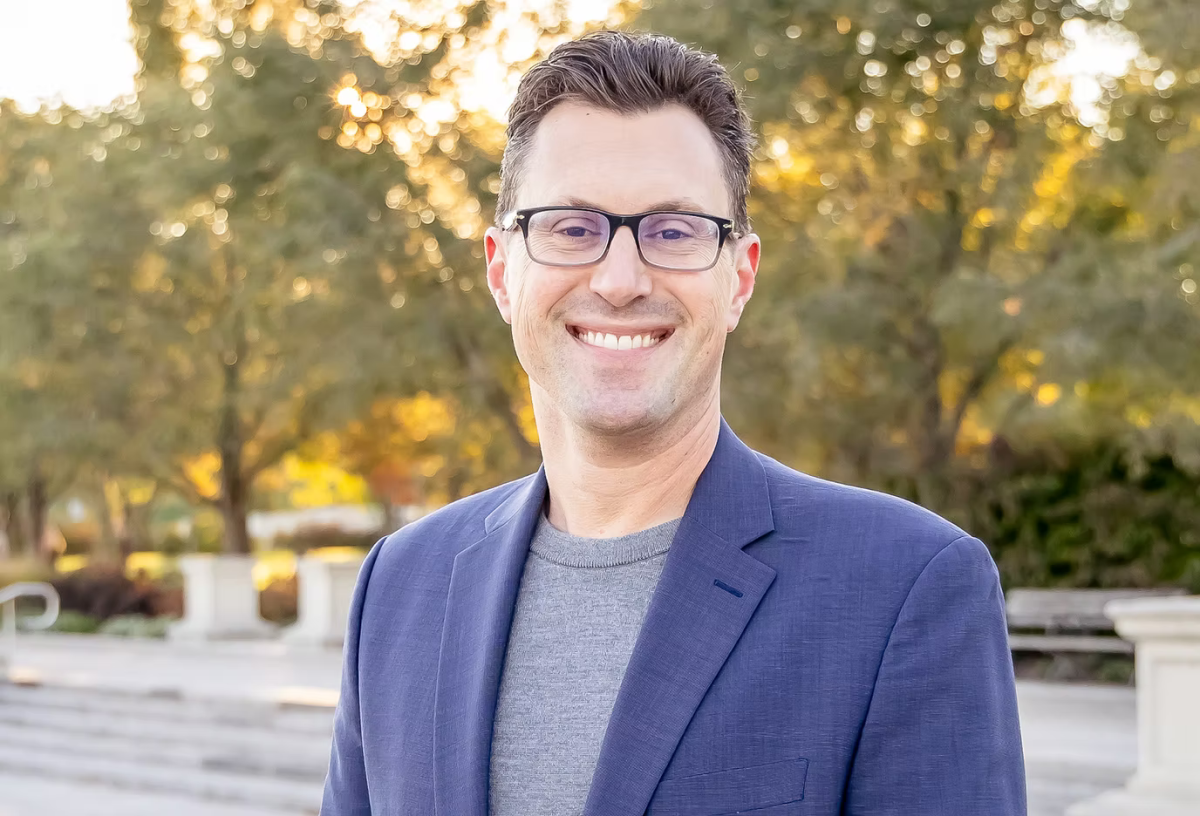
AP Economics teacher Daniel Glossenger believes a good economy is determined by many factors, including unemployment, inflation and the value of goods and services produced (adjusted for inflation). Currently, the United States Real Gross Domestic Product is the largest it has ever been. However, the economy has been struggling in other aspects, largely due to the COVID-19 pandemic.
“With Covid, [the United States] had a significant recession and the highest reported unemployment rates since 1947. In the years afterwards, we saw inflation much higher than what economists and most people would prefer it to be,” Glossenger said.
According to Glossenger, this inflation did not stem from a single source.
“The inflation after 2020 was really two interrelated things. It’s what [people] call cost-push and demand-pull inflation,” Glossenger said. “[The United States] had supply issues that caus[ed] costs to rise and high demand, and that intersection pushed prices really high.”
Although Glossenger recognizes that inflation is a significant problem, he believes securing a first job will be the primary post-education challenge for the Class of 2026.
“[Becoming employed is] going to become increasingly harder depending on the sector that [the] student is looking at. Computer science and computer engineering [have] some serious disruptions right now in the junior developer [and] software engineer market [due to] AI,” Glossenger said. “I think [people are] going to see that carry forward in other industries, [such as] the legal industry.”
The skills that make a job candidate appealing are also beginning to shift, Glossenger hypothesizes.
“McKinsey [& Company], which is a major consulting firm, [is] changing how it prioritizes hiring people. They’re not looking for people who can whip up a slide deck really quick,” Glossenger said. “They’re looking for people who have people skills. I think it’s going to cause [a] shift among young people who have really great quantitative skills [or] can analyze data really quickly, but can’t talk to people. Those people are going to have a hard time depending on the markets that they want to enter into.”
He believes the economy will continue to evolve due to large language models (LLMs), a specific type of AI that is developed using massive amounts of data and performs various tasks while easily communicating with humans.
“The widespread adoption of LLMs in a variety of settings, and in ways that we currently haven’t thought about, [will cause] a lot of markets that will be disrupted,” Glossenger said.
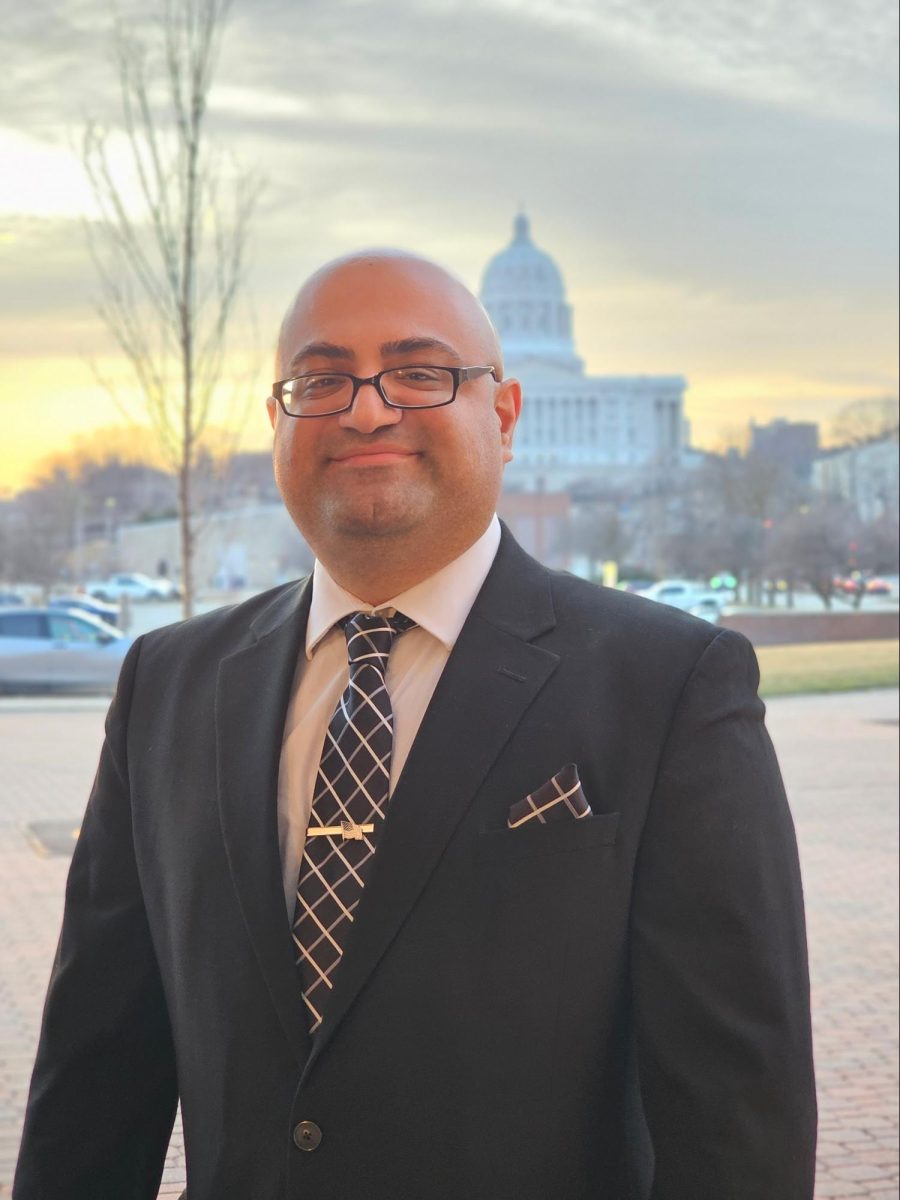
Senior Raghav Mani has long known which field he wants to pursue after high school; until recently, he was confident he would succeed.
“I was always planning on going into STEM. I’ve seen a lot about how STEM jobs were once plentiful and there was always this opening that was lucrative,” Mani said. “[The abundance has] suddenly come to a halt with AI and the surplus of people going into STEM, especially computer science. A severely limited job market for computer science is concerning.”
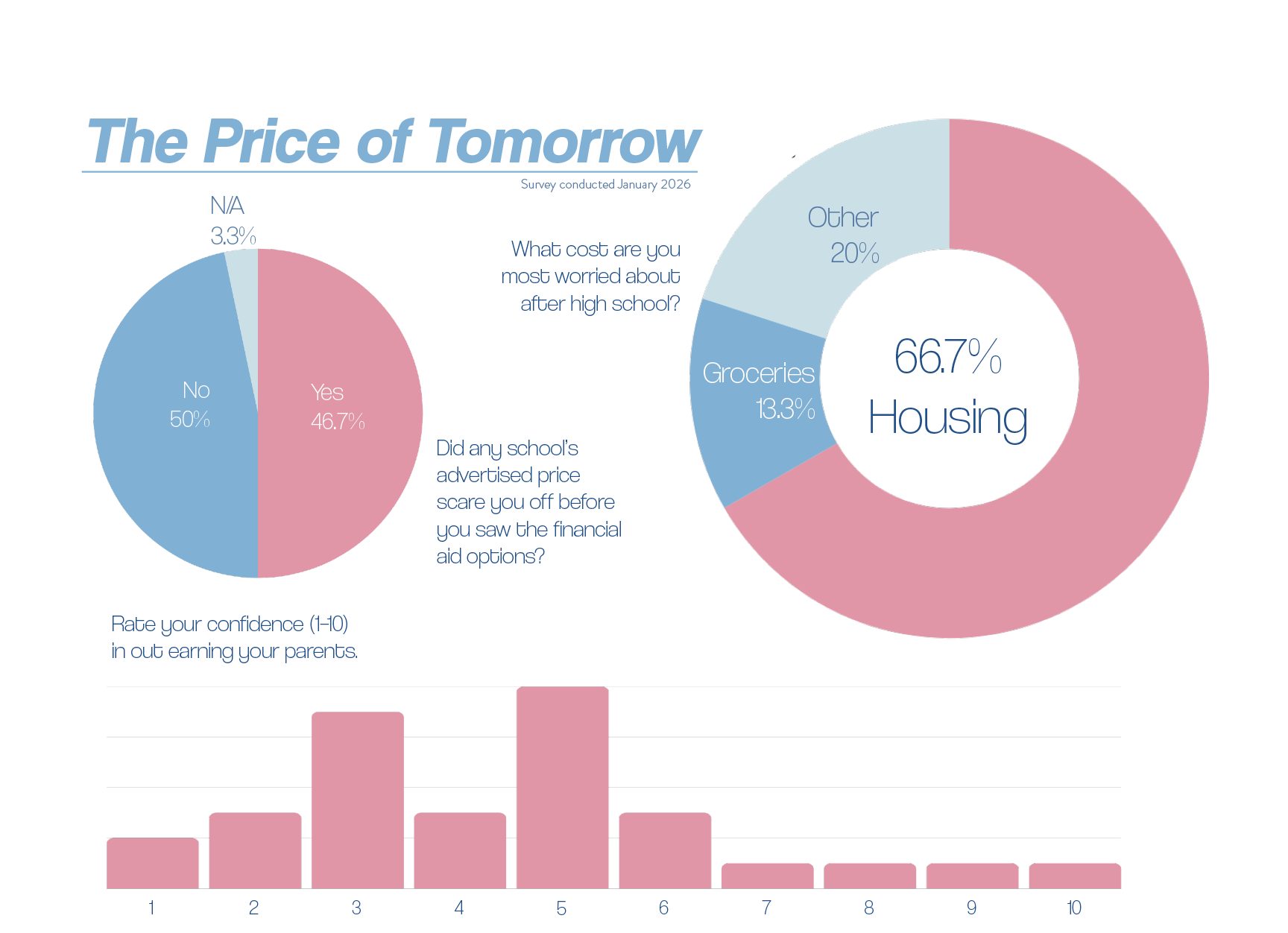
Alternatively, Ngo is concerned about the cost of a higher education.
“I’ve hit a pretty big wall with the finances of going to college,” Ngo said.
She believes that one option for applying to universities, early decision, traps students into paying more than they can afford.
“As far as college goes, making sure that I choose a school that kick[s] in financial aid [is important],” Ngo said. “I think a lot of people make [the] decision [to apply Early Decision] way too fast, especially to a school they really want to go to, but when they get their financial aid package, it’s not enough to cover what they can actually pay. They’re kind of stuck in a predicament.”
With prices rising and young adults needing to become more financially independent, Ngo knows she needs a plan.
“I’m scared of turning into an adult [in] about [two] months because I [will be] financially independent,” Ngo said. “Even if I really want to go to a [certain university], I have to have self-awareness about where I am financially. Right now, I work and don’t necessarily have bills to pay. So, I save [by] doing simple stuff, like not eating out a lot and not going shopping.”
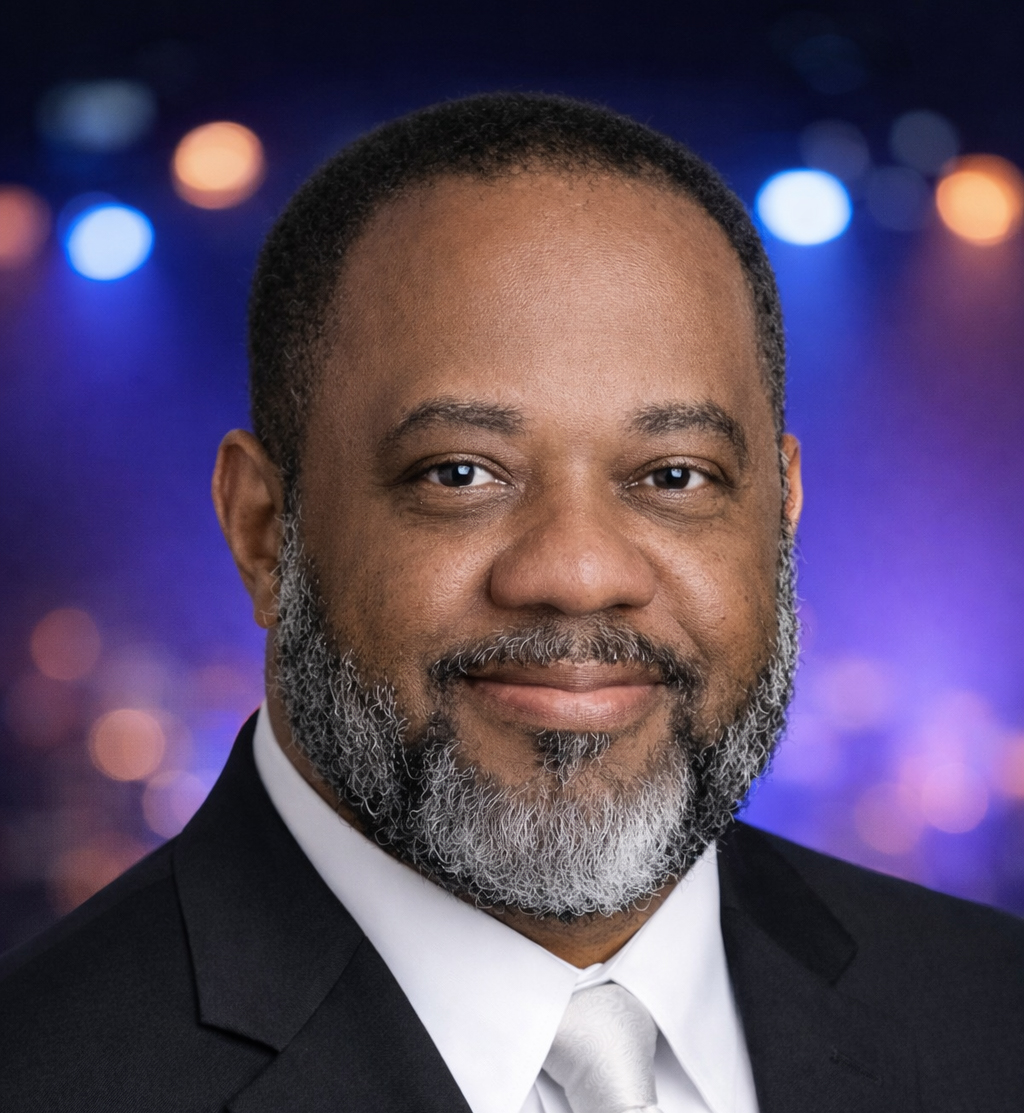
Personal Finance teacher Jason Zenser agrees that starting early is the best way to ensure financial security.
“It‘s all about build[ing] good habits early,” Zenser said. “Budgeting, building an emergency fund, managing debt, investing for retirement and don’t live above your means.”
Zenser offered further advice to seniors preparing for a post-education world, emphasizing the importance of research.
“There are many things to consider when planning for the future. It may help to break it down into basic categories like academic, professional, financial, social and/or personal,” Zenser said. “Ask yourself what are your goals, passions [and] nonnegotiables. From there, you can explore careers and/or degree paths based on your goals, skills and strengths.”