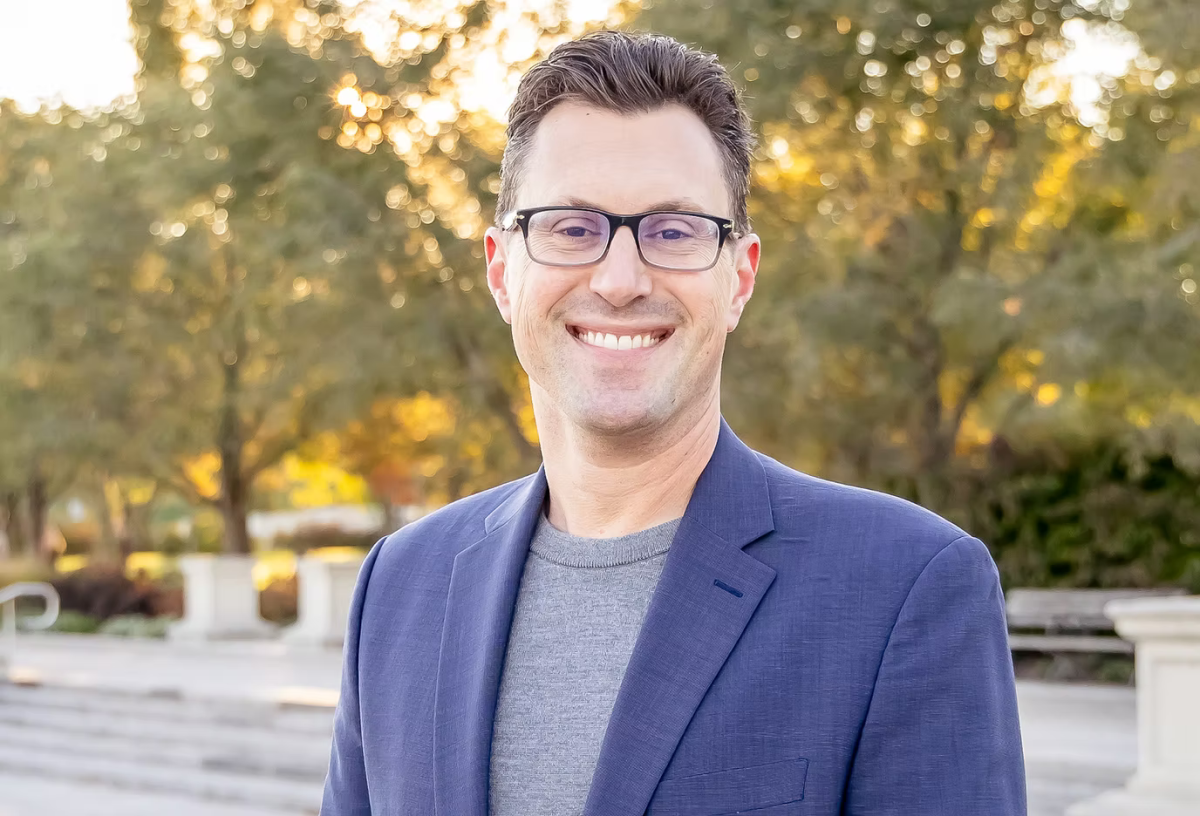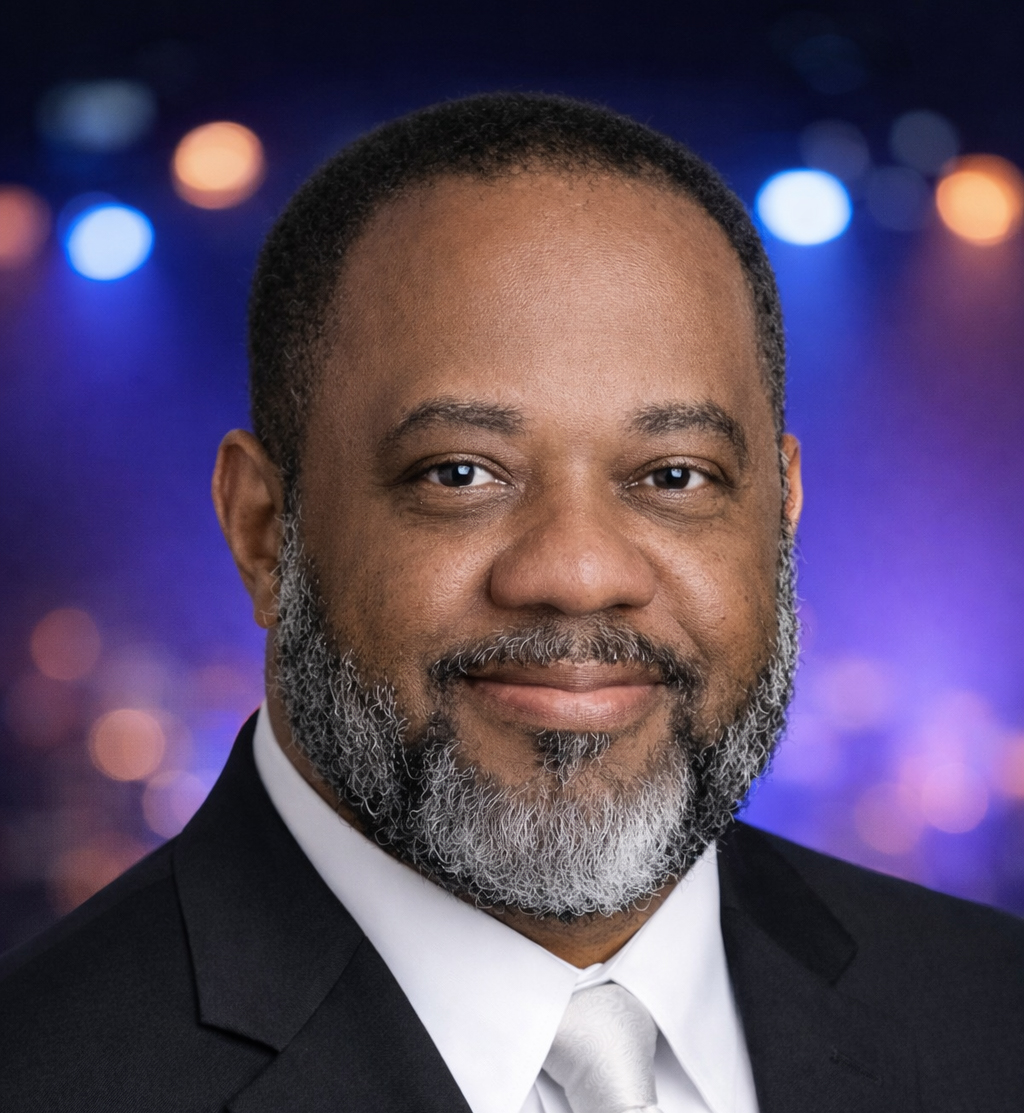

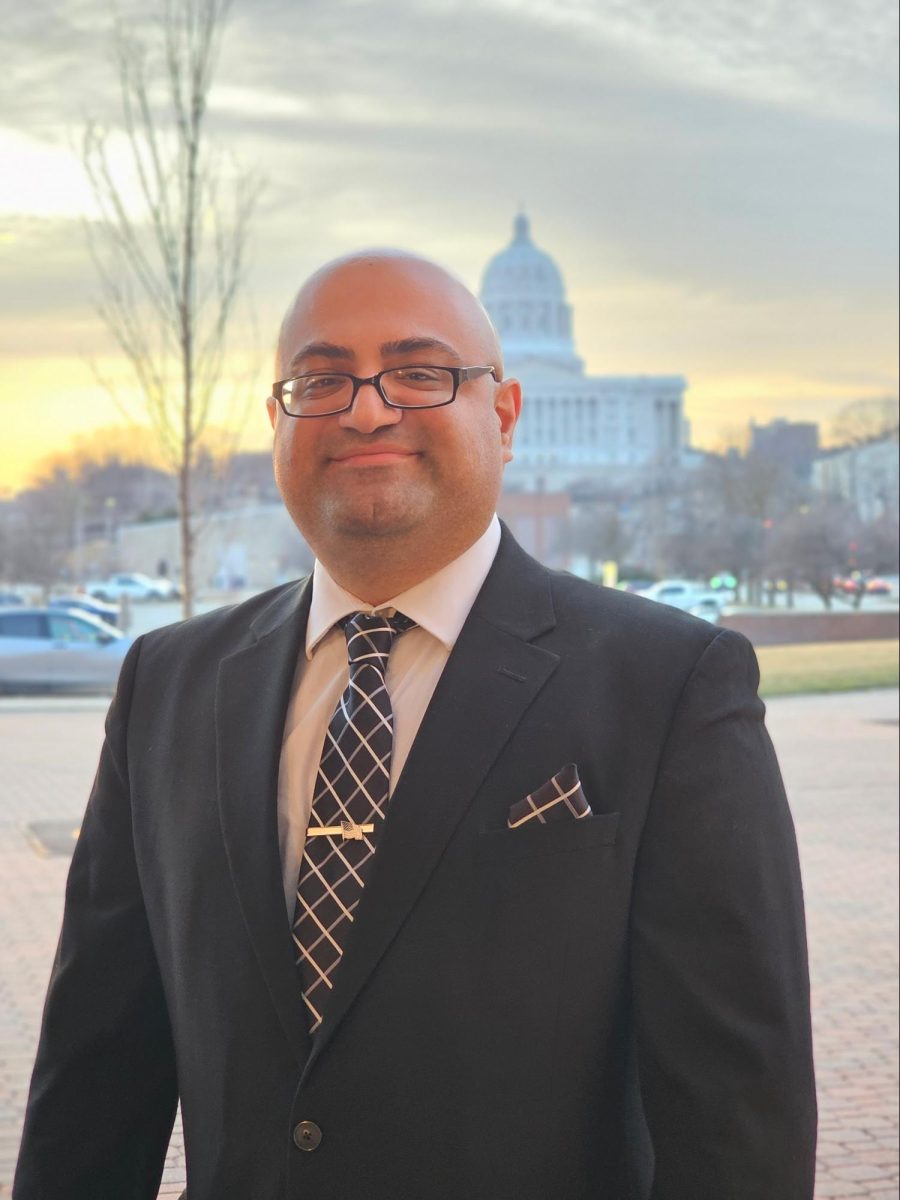
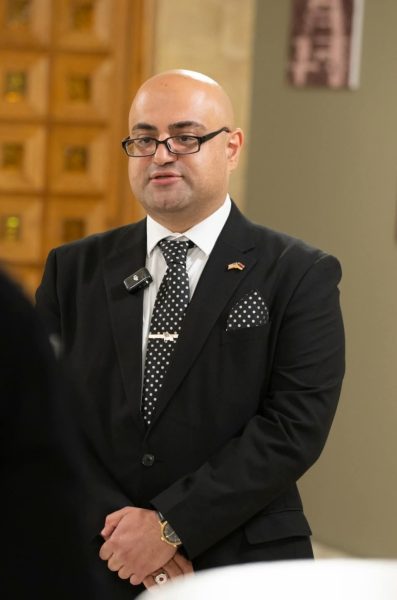
Many do not see the parallels between what is happening abroad and what’s going on in their local communities, but Boris Abadzhyan does. He firmly believes his experience in foreign policy gives him a leg up in his campaign for Missouri’s 99th House District.
“I’m a foreign policy specialist [in] US-Armenian relations as well as Eastern Europe,” Abadzhyan said, “[And] I’m running because I also believe that, as a politician here in the state of Missouri, you need to know foreign policy and what is happening around the world.”
Abadzhyan’s experience in politics and foreign relations is not just something exclusive to his own life, but has been synonymous with his family for a long time.
“My mom’s side of the family was very prominent in the former Soviet Union, so we played a major role in the liberation of Eastern Europe from Nazi Germany. My dad’s side they were working in the Ottoman government. So my family played a role in [politics for] over 100 years,” Abadzhyan said.
Abadzhyan spent the first few years of his life in Armenia, but his family moved to the United States because of the border closure in Armenia after the fall of the Soviet Union.
“Once the borders closed, [my great grandmother told my mom], ‘take Boris and go to the US, because I don’t want him to lose that [sense of] multiculturalism [and] I want him to embrace the Western democracy, [and] I want him to see a different world,’” Abadzhyan said.
That multicultural perspective is something Abadzhyan has carried with him his entire life, and seeks to apply to current immigration policy.
Immigration is not the only way Abadzhyan seeks to apply his multicultural perspective; he also believes in equal treatment in healthcare.
“Healthcare is very important, especially senior care. A lot of the younger generation don’t have time to take care of their parents. We need to provide equal treatment of citizens,” Abadzhyan said.
Equal treatment and tolerance are not abstract concepts for Abadzhyan, as he grew up in a diverse region and sees parallels in today’s politics.
“[The Soviet Union] was multicultural, just like the United States. We had different religions, Christians, Muslims, Jewish [people] and others, but then it took one second to divide the entire nation, [like] the Armenian-Azerbaijan War,” Abadzhyan said, “[Before then] people lived in peace and harmony. [Just like] the former Soviet Union, the United States [is] multicultural, but certain politicians and political agendas are pushing for division.”
Division and bridge-building are critical to Abadzhyan, as to implement his agenda, he believes communication is a necessity.
“I have close friends that are hardcore Republicans, and hardcore Democrats like me. You just have to communicate. You need to open up, and you need to not fight,” Abadzhyan said.