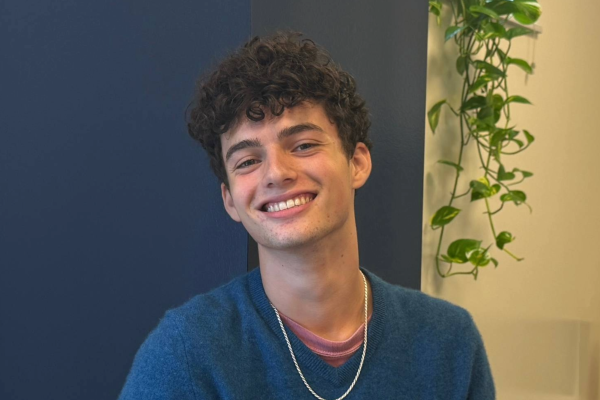


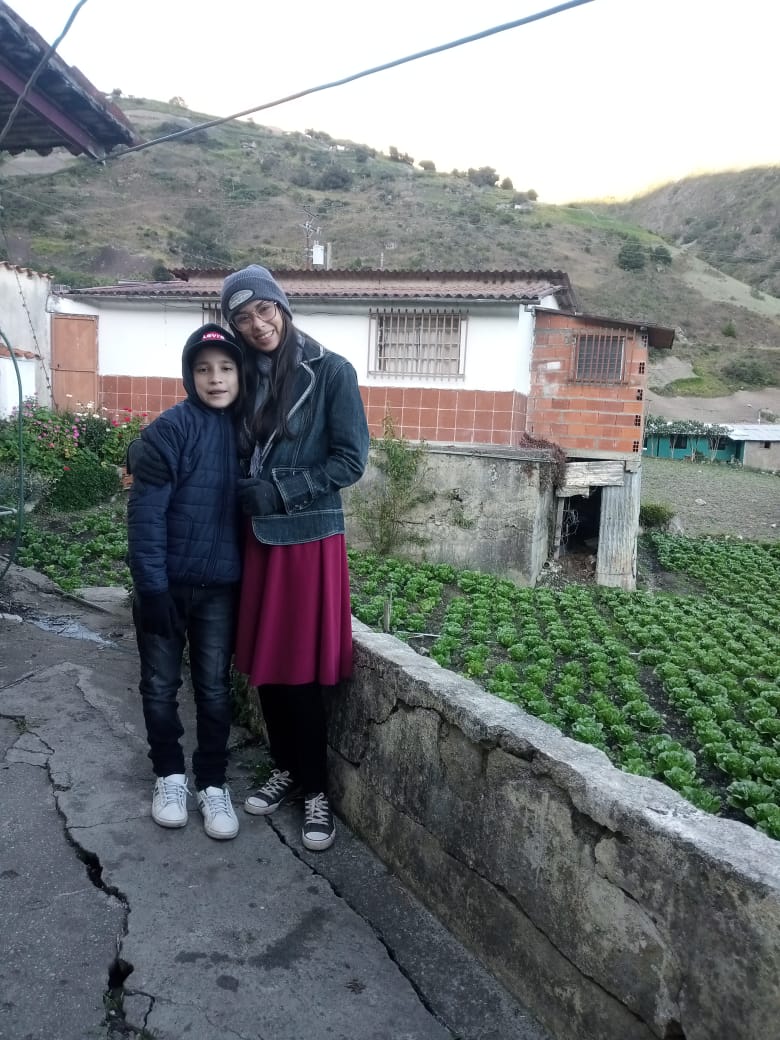
After a transient childhood spent navigating the borders of 10 different nations, from Venezuela to the roads of Honduras, freshman Kendry Rodriguez’s world expanded one last time. His flight to the United States represented more than a change of zip code; it was a continental search for a place where opportunity was more than a distant dream.
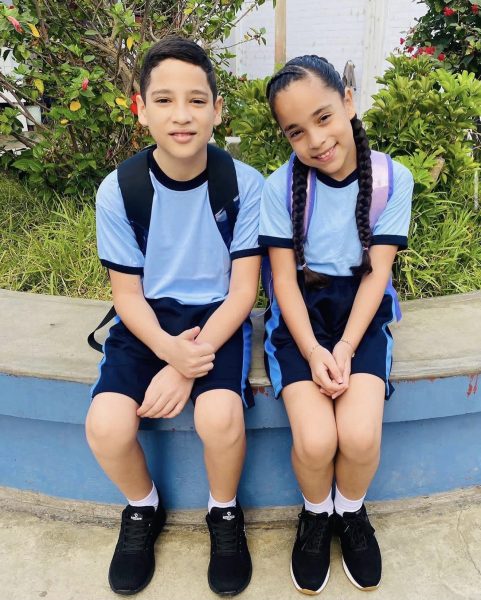
“We moved for the economic system more than anything,” Rodriguez said. “In Venezuela, there was [also] not very good education. A while ago, there was a school in front of my house. The school began to get worse because it didn’t receive money from the government, so finally it ended up being destroyed. Now it is not functioning.”
Rodriguez primarily used Spanish to communicate before immigrating to the United States. However, attending an American school forced him to adapt linguistically to establish a sense of commonality with his peers.
“[Life] is not that much different,” Rodriguez said. “The only thing is that here, I use more English. I have gotten used to English, but it is still complicated for me to communicate with the teachers.”
Compared to Venezuela, Rodriguez considers the workload in the United States greater, with more daily homework and assignments.
“In my classes, [the language] affects the [quality of the] homework, and I need to translate [the words],” Rodriguez said. “But the education here is better, and I was able to learn another language.”

Although social standards and pressures in the United States differ from those in Venezuela, Rodriguez has never felt pressured to assimilate.
“I simply integrated different aspects into my life as normal, not because of pressure, but because I liked them. We have added things here, [like] Thanksgiving, that we didn’t celebrate before,” Rodriguez said. “[We still celebrate] Christmas week, which is something that is mostly not in the United States. The only other [new holiday] is summer vacation. We don’t have that over there. It’s just work, all year.”
Rodriguez notes that while stereotypes rarely disrupt his daily life, he has learned to recognize the specific boundaries where they exist.
“On the television, sometimes there are people who mistreat people from Latin America, but those are rare cases, because it happens where they have a racist flag,” Rodriguez said. “There are cases where if you get near them, then they start being nasty.”
However, Rodriguez refuses to let these isolated incidents cloud his view of his new home. Instead, he is focused on the common ground he shares with those around him.
“[The values] are not very different; in fact, the traditions and values here seem very similar to those of Venezuela,” Rodriguez said. “I think the advantages outweigh the disadvantages.”
Rodriguez acknowledges the real challenges of immigrating to a new country, which for him included leaving friends and family behind.