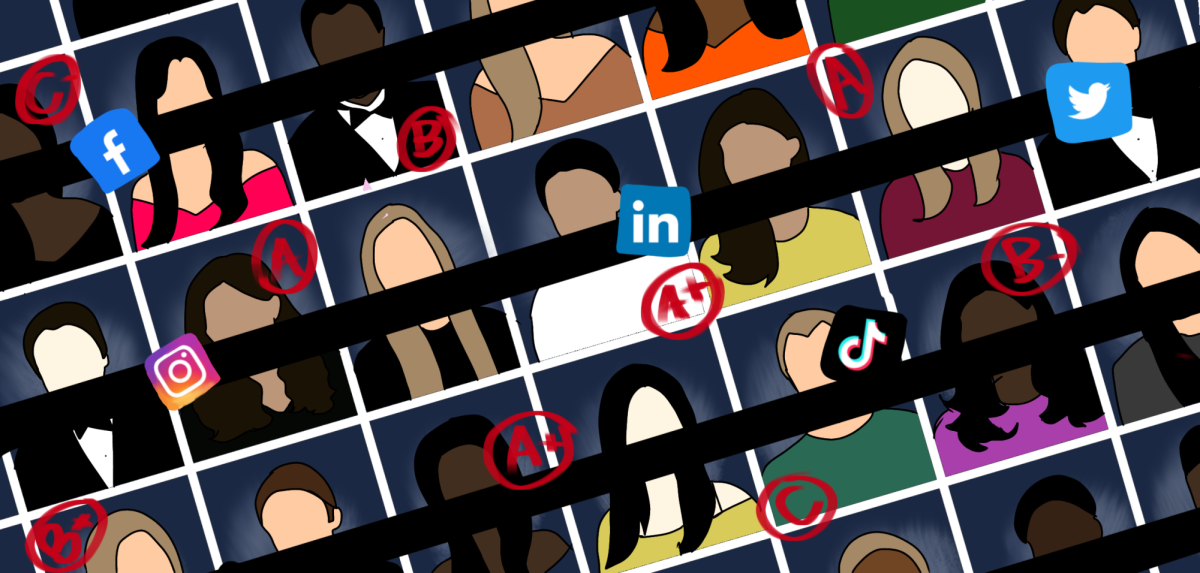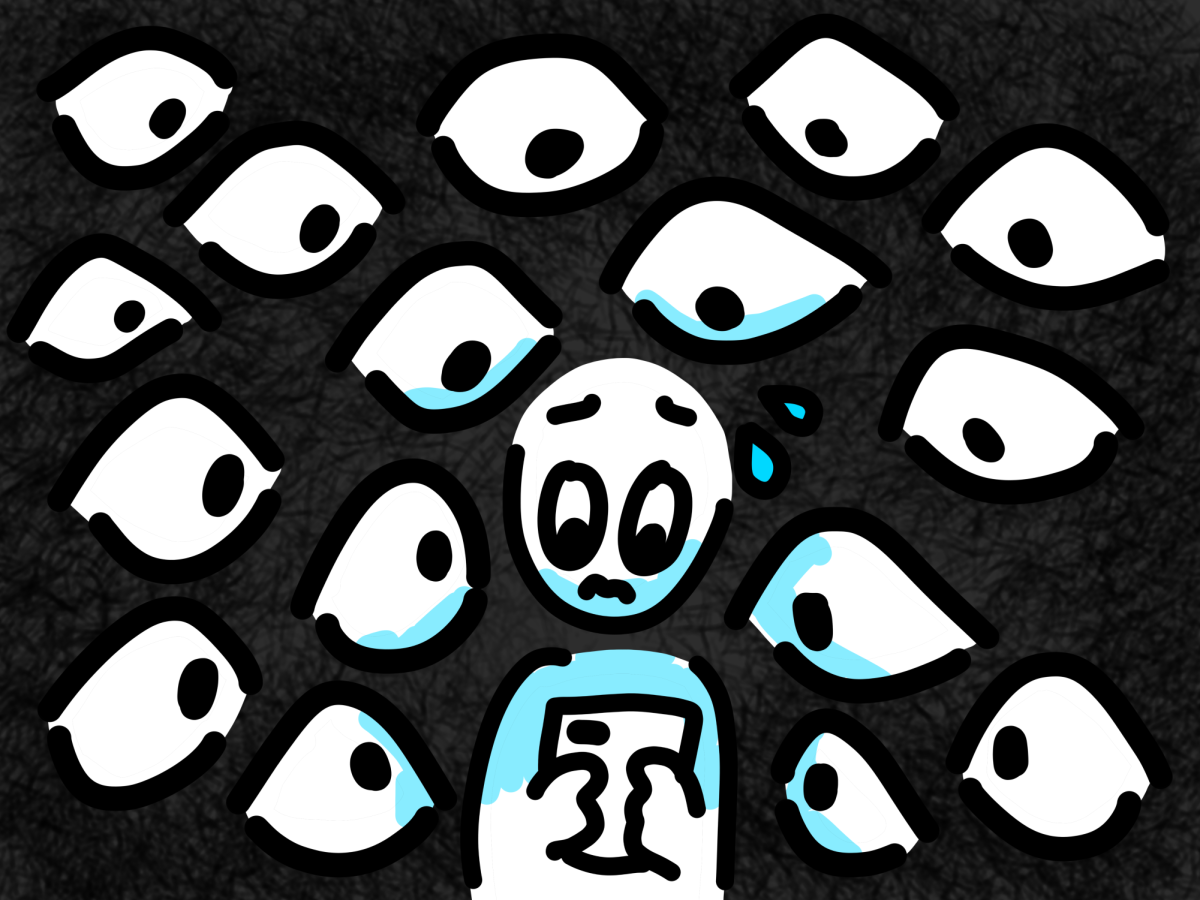

As the workforce increasingly weighs online presence alongside resumes, employers, much like universities, take into account how young people present themselves online. What starts as a post made in high school can resurface during a job search.
Debbie Krivelow, who recently retired from her role as Senior Vice President General Manager at Caleres, made hiring decisions across departments for 20 years. She explained how employers may look at public platforms and rarely stop at surface-level searches.
“Employers may not just look at your social media, they may look at who you’re connected to,” Krivelow said. “Employers may believe you’ve cleaned up your social media, you’re applying for a job, so we may view your friends’ public content to learn more about you.”
Companies look beyond a candidate’s own posts to understand the kind of people they surround themselves with. Krivelow emphasized that nothing online ever really disappears.
“Once you put something out there, even if you take it down, it can live somewhere else,” Krivelow said. “You have to be very careful [because] 20 years down the road, something can resurface. It’s a lot bigger than the first job.”
For entry-level candidates, students just coming out of high school, trade school or college, employers use social media to assess soft skills: communication, maturity and the ability to work with others.
“Employers are looking to see how you problem solve. Are you on social media, outing people and pointing fingers?” Krivelow said. “If you’re derogatory towards people, if you’re making comments that are disrespectful, [companies] are going to look at the way you communicate there.”
Krivelow explained that companies pay attention to how candidates handle disagreement or conflict online.
“If you’re posting polarizing content that is disrespectful towards a person, group or subject, [it shows] maybe you’re not good at teamwork,” Krivelow said. “Those soft skills are so important, and you show up in social media either showing you have or are lacking them.”
When two candidates have similar resumes, social media can be the deciding factor for some employers.
“If I have someone who is vehemently standing for or against a polarizing subject that my brand wouldn’t want to stand behind, there’s less risk in hiring the candidate that seems very respectful and clean on social media,” Krivelow said. “A candidate [may] say something extremely disrespectful, then the company gets called out. So [employers] have to be careful.”
Red flags for employers often come from posts that show inflexibility or arrogance.
“If you’re posting things like ‘I’m right, you’re wrong,’ you’re not showing that you’re willing to listen and learn,” Krivelow said. “If you respond [to someone online], respond in a mature way.”
Social media can also boost applicants. Employers notice when someone uses their platform to highlight involvement or thoughtful dialogue.
“If you’re doing good and you’re putting yourself out there in a good way, it’s really powerful,” Krivelow said. “You’re allowed to have opinions. They just have to be thoughtful. You can’t be seen directly trying to hurt somebody else to make you feel better.”
Krivelow stressed that employers rarely judge politics themselves; rather, they judge how professionally those views are expressed.
“The differing opinion isn’t the issue. It’s how you portray yourself with that opinion,” Krivelow said.
For students balancing authenticity with employability, Krivelow believes the key is self-awareness.
“Self-expression is important, being your own person is important,” Krivelow said. “It is not a bad thing. As long as you’re being inclusive, as long as when you say something and you look back at it, you’re proud of it, and you don’t feel like you put somebody else down or made somebody else feel smaller because of it.”
Krivelow’s advice is to pause.
“Before you post or comment, step away from it for a minute,” Krivelow said. “Don’t rush to comment, don’t rush to post. Think it through. If it needs to be until the next day, and you still feel like you probably shouldn’t [post] something, then don’t do it. Trust your gut.”