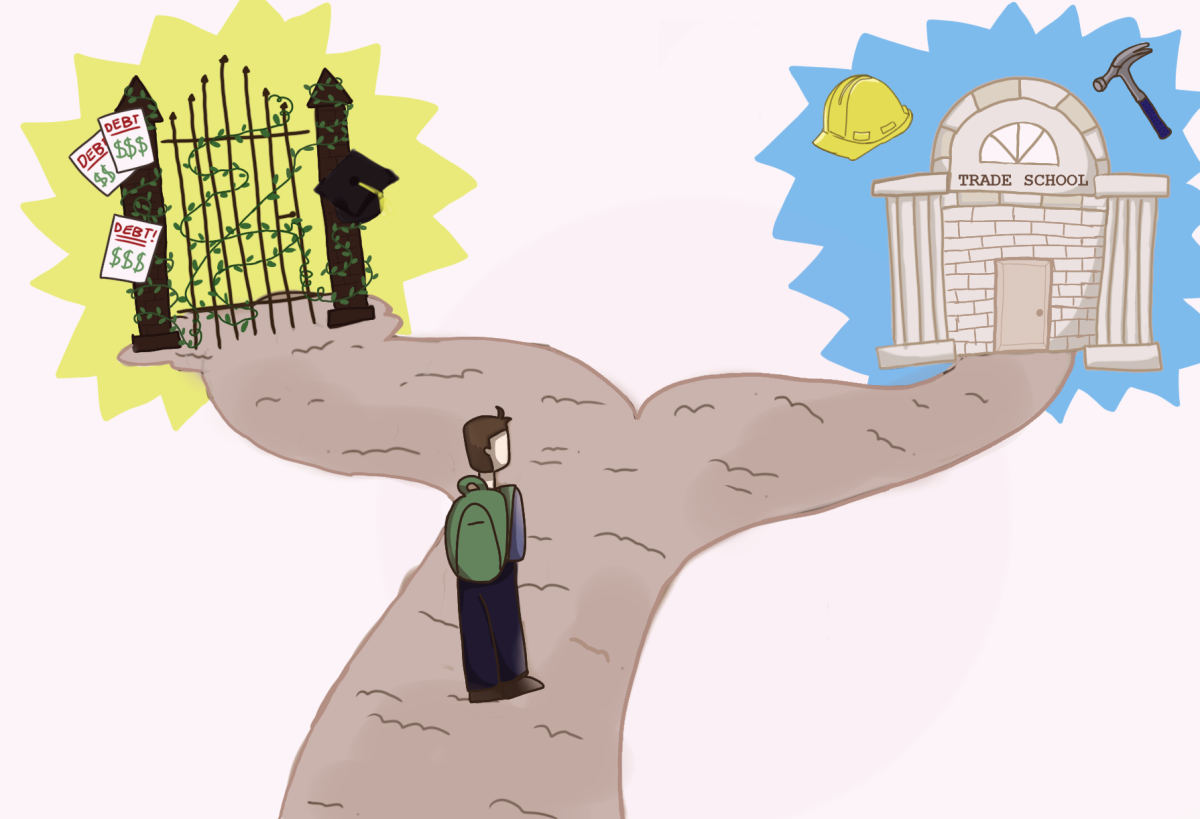
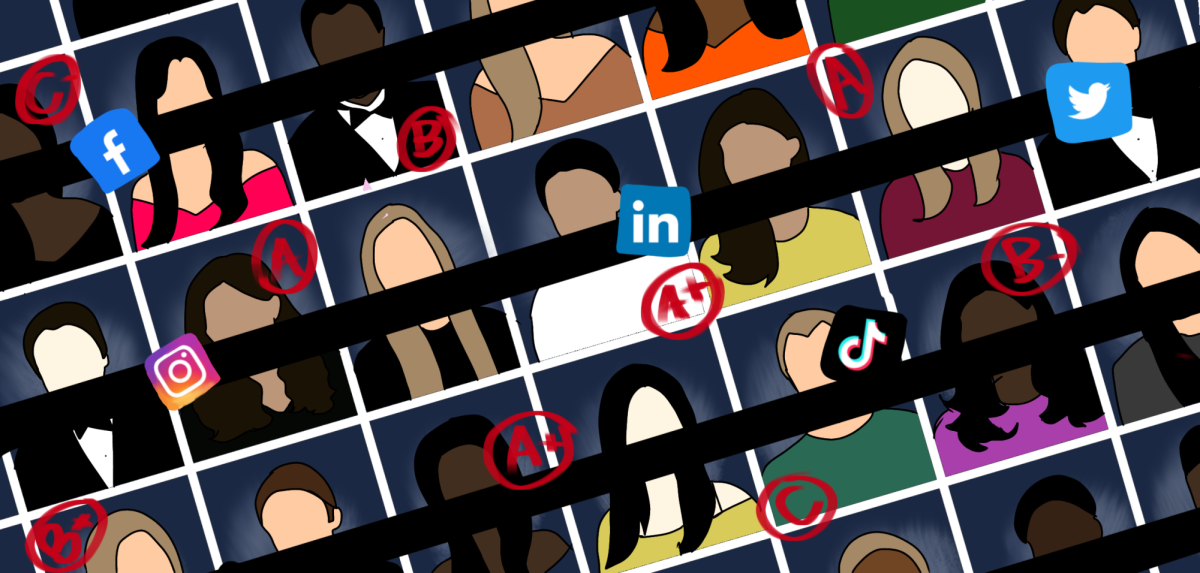
The right to free speech is often viewed as one of the most important rights Americans have. It has been used to protect students’ voices throughout the years, from Tinker v. Des Moines (a landmark Supreme Court case that protected symbolic protest in public schools) to the protests on college campuses in 2024. The question of how far these rights extend and how much they protect has often been a topic of debate, and now, because of the Compact of Excellence in Higher Education and the effects it has had on the protections students have when it comes to their speech, that debate has been reignited, focusing on the topic of teens’ futures.
(Click on the stories below to read more in-depth!)
In classrooms, on the streets and in comment sections, students are still speaking up about war, identity, politics and the institutions that shape their futures. What many young people now face is a landscape where activism, self-expression and online presence intersect in ways previous generations never had to consider. How institutions choose to handle that reality will shape not only admission and hiring, but the boundaries of student expression for years to come.