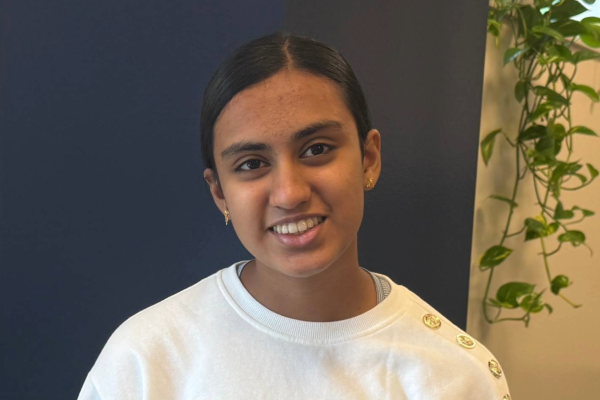

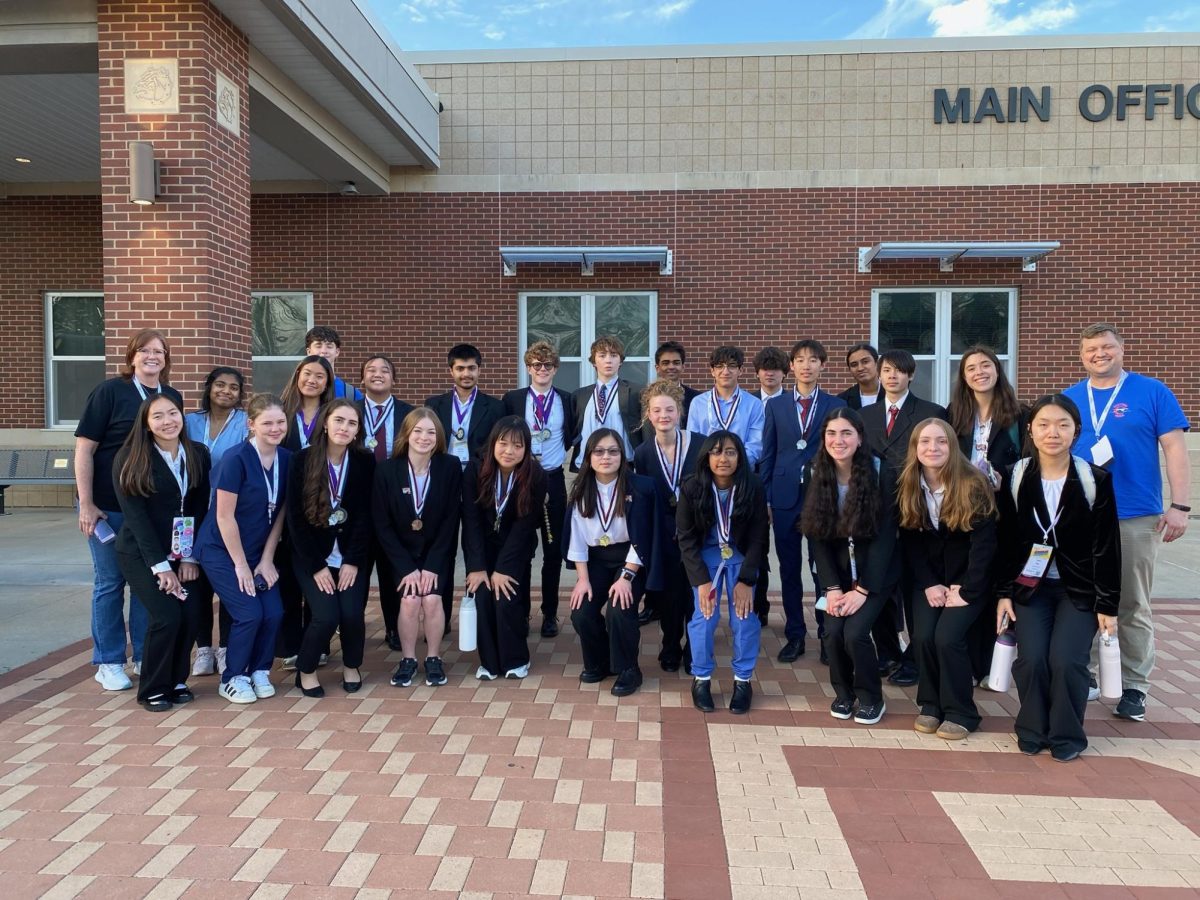
After two years of hiding in the shadows of development, the school slowly entered the world of healthcare competition in 2025, establishing a Healthcare Occupational Students of America (HOSA) chapter.
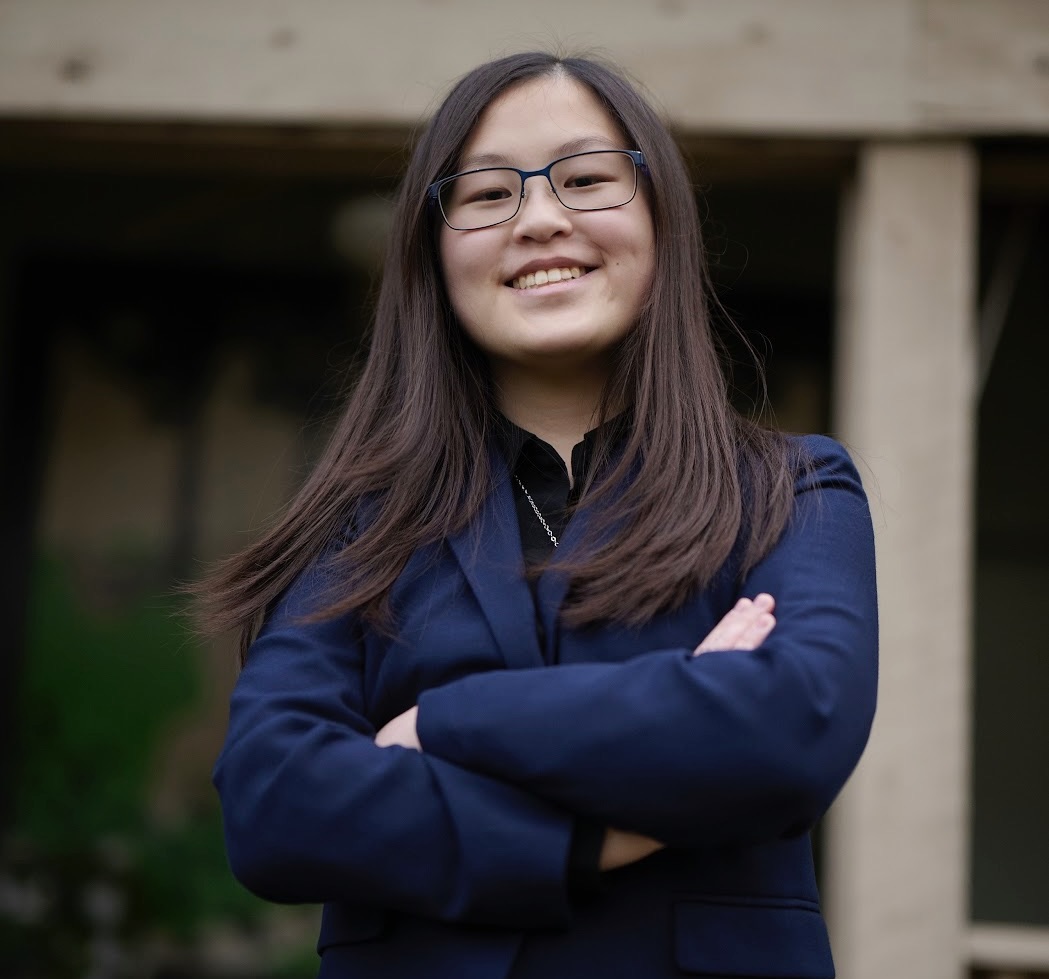
“I noticed how Clayton didn’t have a club that focused on healthcare [and] I thought it was weird. So I started searching up different clubs and organizations that high schoolers could be a part of because I was interested in working in the healthcare field,” senior and co-founder Ashley Ngo said.
Ngo researched extensively and found HOSA.
“I [found out] that there were [many] chapters already happening at different schools around us in our area, [and] I decided that Clayton deserves it, too,” Ngo said. “I just want to give people the opportunity to [experience] healthcare here, because we don’t have a club that focuses on that. So I think having [HOSA] is very important for people who want to pursue a healthcare career.”
Biology teacher and HOSA sponsor Susan Murray described the initiative Ngo and other students took to kickstart HOSA and become the founding leaders of the chapter.
“In the first year, we had Ashley and a couple [of] others [who] were really interested in coming to all the meetings. By default, they were student leaders as we were learning the ropes. [That year], there [were] about 10 or 11 kids that we took to the State Leadership Conference, and at the conference, it’s about competition, but it’s also about opportunities to learn to be a leader,” Murray said. “Some of those kids then made it onto the international level competition. Those six kids that went to the international competition got a nice dose of what it means to be a HOSA member, so we [chose] those six kids because they could bring back ideas [from their experiences] and help plan some things for our group.”
Advertising helped Ngo achieve widespread presence for the club and increase membership and participation.
“Getting your club name out there is really important,” Ngo said. “Things like snacks at every meeting and having meetings that don’t happen every single week [also help boost membership]. Monthly meetings make the club more proactive, [since] it gets members happier that they don’t have to go to an unnecessary meeting every week.”
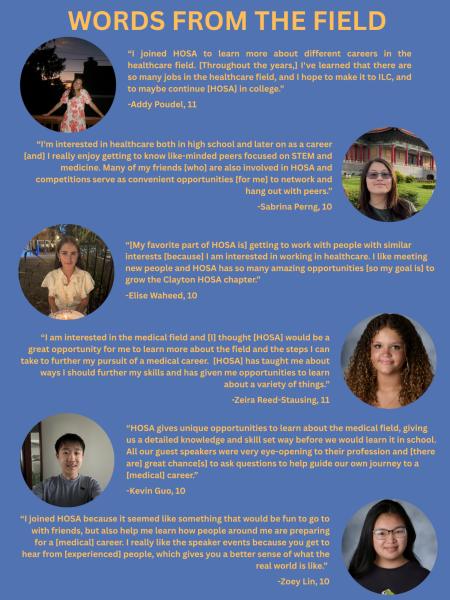
Sophomore Elise Waheed, a member of the HOSA board, emphasized how joining HOSA deepened her interest in healthcare.
“For a while now, I’ve known I’ve wanted to go into healthcare and medicine, and when I heard about HOSA, it just piqued my interest, because it’s a healthcare-geared competition, and I wanted to be a part of it,” Waheed said. “Especially since Clayton just started it, I wanted to be one of the first members and help the club grow.”
Waheed highlighted the importance of HOSA and how it gears people who desire to work in healthcare for success.
With membership jumping to 52 students in its second year, the HOSA chapter saw a record 21 members qualify for the 2026 SLC. Ngo noted that the growth was unexpected, nearly doubling the previous year’s success. This influx of qualifiers created a greater need for travel funds, leading the board to pivot from bake sales to a digital campaign via Snap! Raise funds to ensure all students could afford the trip.
“I do stuff I know everyone would like, [such as] bake sales [and] car washes. Those are always the number one way we fundraise because they are reliable. [When] we did Snap! Raise here for the first time, and at first I wasn’t a fan, because I thought it’s kind of weird that we go around asking people for donations, but I think it gives more incentive for people to go out and [help].”
Murray agreed, saying that the app’s widespread use with clubs such as DECA and Speech and Debate made the fundraising process simpler.
“It seems to be one of the more convenient, easy ways to raise money, other than just [calling] the parents or the student. Reaching out to the students’ wider community of contacts to see if they would support them in their efforts is another way to spread the word about HOSA and to tell family and friends what they’re involved in,” Murray said.
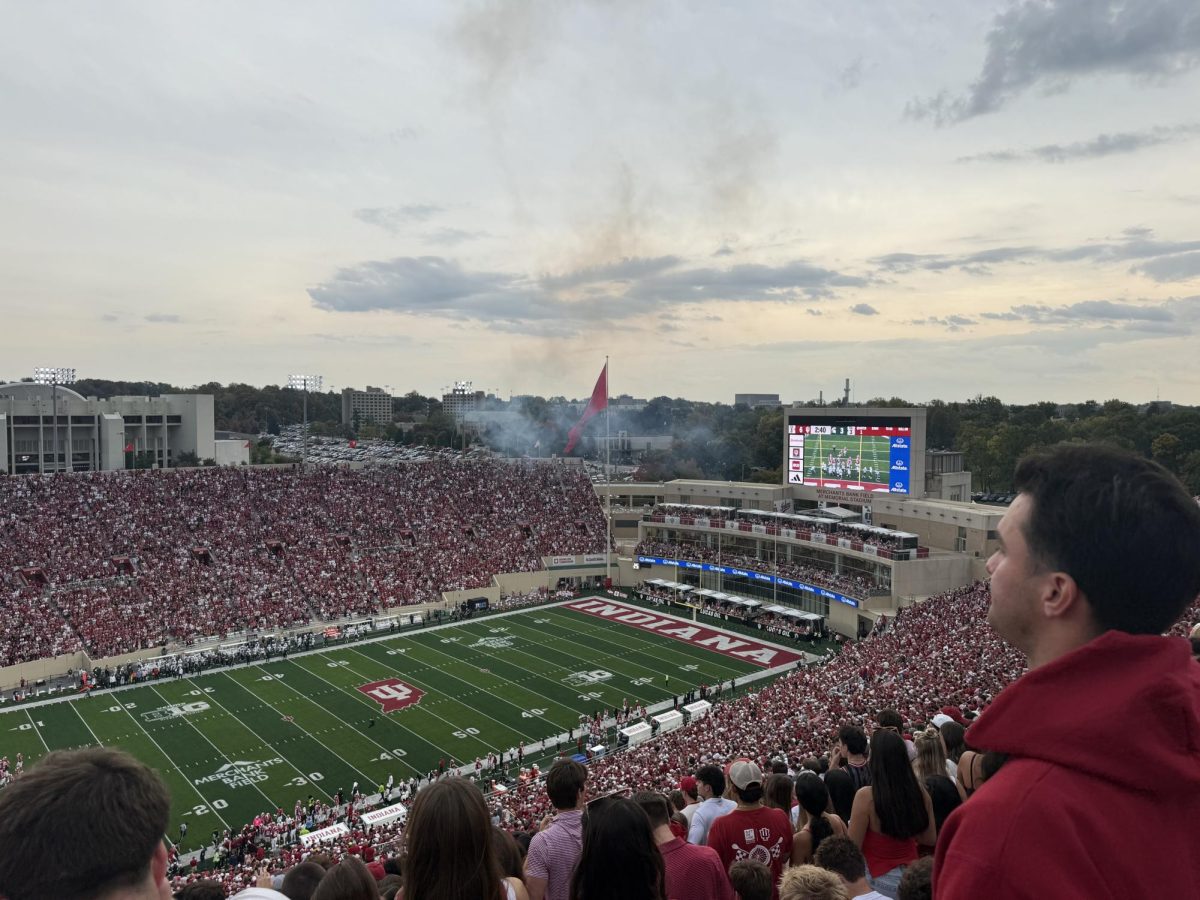
The money raised proved worth it, with nine students qualifying for the HOSA International Leadership Conference (ILC) in Indianapolis. Through the success, Waheed hopes that HOSA will not just serve as a medium for competition but also as a way for future medical professionals to connect and serve the community.
“I want the club to come together and help the community in all these amazing ways,” Waheed said. “This club allows people to learn about almost any field of medicine. There are so many options and opportunities, and even if they might not like it, they should definitely try it and just have fun with it and work hard, because it’ll pay off significantly.”
![Registrar Lois Stiegemeier gives her daughter an inspirational speech to remind her of the uniqueness of every human, that she has higher significance to this world then she realizes. As a parent, Stiegemeier wanted to ensure her children went into the world with a positive attitude. “You are worth more than you [know]. Don't settle for less,” Stiegemeier said.](https://www.chsglobe.com/wp-content/uploads/2026/05/Screenshot-2026-05-18-11.27.23-AM.png)
![Sophomore Adam Gallegos walks his first-ever runway for Dolce & Gabbana. “When I saw a picture on the Vogue website of me, [I thought] this can't be me. This can't be real,” Gallegos said. “That picture to me will always be crazy.” Dolce & Gabbana Fall 2026 Menswear Look 51 / 100
Photo by Isidore Montag, Vogue, ©Condé Nast](https://www.chsglobe.com/wp-content/uploads/2026/04/image4-960x1200.jpg)
![Dorsey teaches his third-period geometry class on Thursday, April 9. "I enjoy that [the students] are willing to get up, work at the whiteboards and collaborate," Dorsey said.](https://www.chsglobe.com/wp-content/uploads/2026/05/IMG_9493-868x1200.jpg)