
Historically Black Colleges and Universities produce 20% of all Black graduates, yet for many Clayton students, they never even make the list. One annual trip is trying to change that.
HBCUs represent a vital part of American higher education, with over 100 institutions across the country dedicated to providing accessible, high-quality education. They comprise 3% of U.S. colleges, enrolling roughly 343,000+ students (2022) and producing 25% of Black STEM graduates.
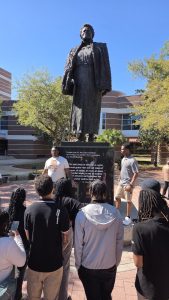
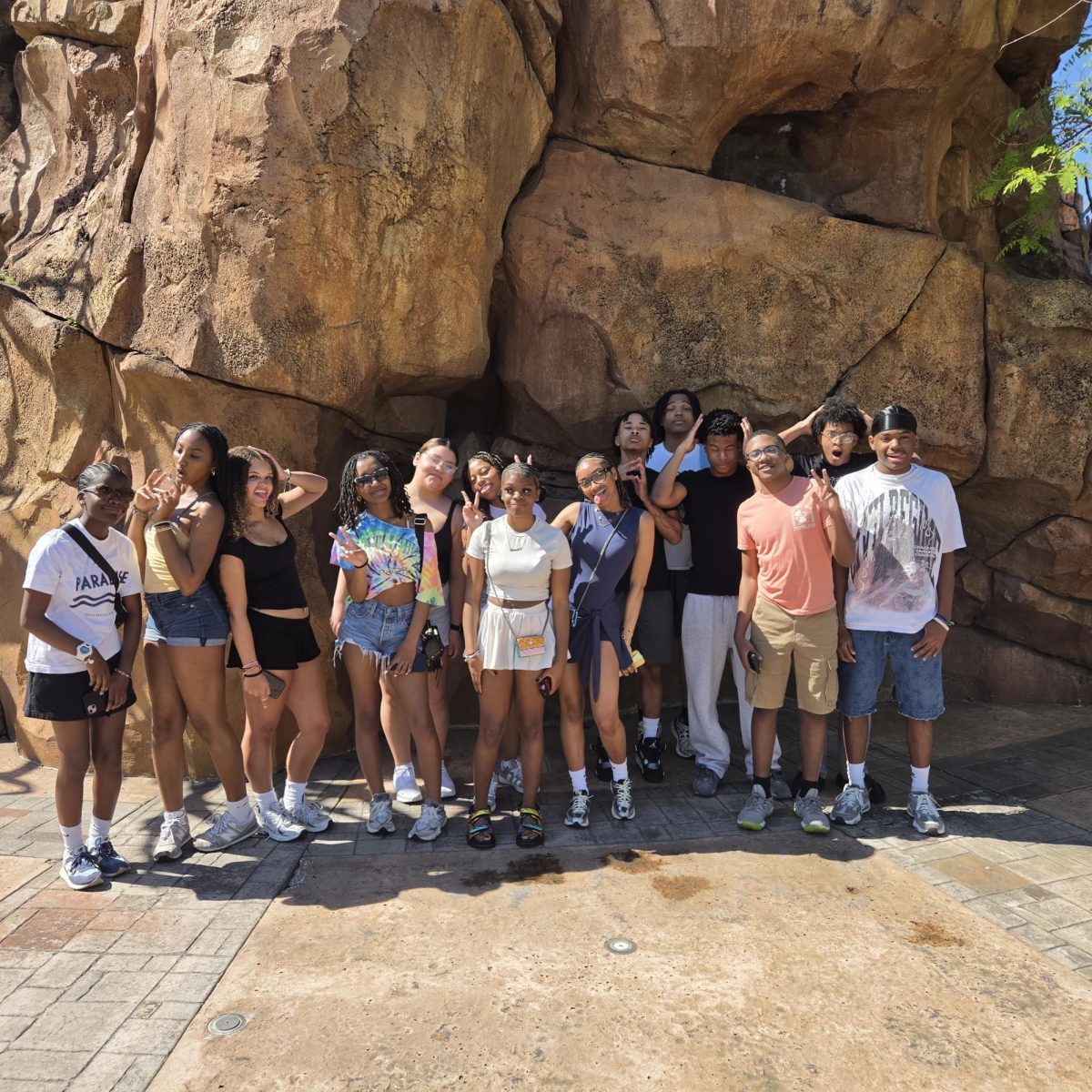
Sixteen students each year are selected to go on a trip to HBCUs, starting with an application process, a selection committee, and consideration of attendance, individual need, and outreach to teachers.
“We look at what students wouldn’t be able to take advantage of this opportunity without this program,” Young said. “The application is getting them to think about how they feel they will benefit, what impact they believe it will have, and what they want to walk away with.”
Young attends the two-week-long trip along with Interventionist Specialist Myron Fletcher and Assistant Superintendent of Equity and Student Services Cameron Poole.
“We typically take sophomores and juniors because the juniors are really into that college selection, and it help[s] them going into their senior year. The sophomores [are] just really start[ing] to think about colleges,” Young said.
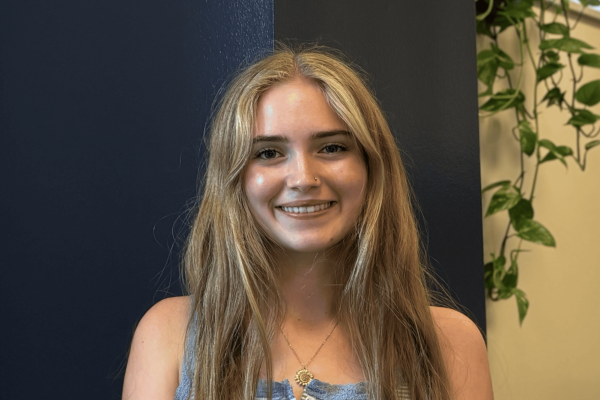
Junior Nancy Percy attended the HBCU trip in 2025 and 2026, with some background knowledge from her family, but not the full picture.
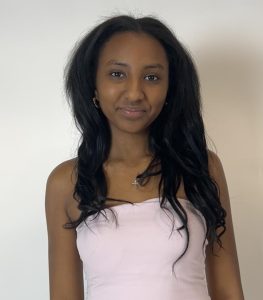
“Most people, when they think of HBCUs, like Howard and Clark Atlanta, they think of party schools, but they never really dive deep into the community and the safety you feel. My prior knowledge was that [HBCUs are] historically Black and that they have sororities that Black people at the time didn’t get to have. But it is way more than just that,” Percy said.
Her perspective shifted the moment she began talking to HBCU students on campus.
“They were very serious about [the] community and building up Black people as a whole. They have hair salons, they have tutoring, they have so many different things on campus,” Percy said.
Young sees the sense of belonging that students experience on the trip.
“There’s a level of comfort that they feel, things that they experience being on this campus. There’s a barbershop on the campus, on a lot of the campuses [there’s] a sense of, okay, you know, this is my culture, this is where I belong,” Young said.
Percy says the trip forced her to reconsider assumptions she didn’t know she had.
“I [had] never considered an HBCU before because, at Clayton, they always try to push for PWIs [Predominantly White Institutions]. I feel like when we do college visits, it’s always a PWI coming to our school,” Percy said. “Because this is a high-achieving school, we [often] want Ivy Leagues, but at the end of the day, HBCUs are really nice colleges,” Percy said.
That success spans 107 institutions across 19 states and various territories, ranging from two-year to four-year schools.
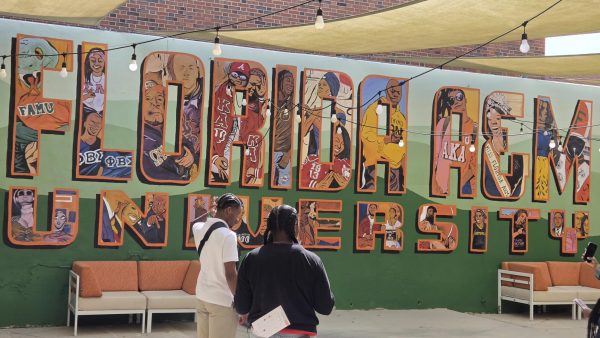
“There are a lot more than less HBCUs that exhibit Black excellence, [where] you can get an amazing education at an HBCU the same way you can at a PWI. They have the same requirements [and] expectation[s],” Young said
While the trip highlights the academic rigors of HBCUs, the impact is often felt most by students during informal moments between tours. Young recalls a scene at Clark Atlanta where a courtyard DJ brought the campus to life.
“I remember leaving the cafeteria, and at some point, they set up a DJ outside, and all of our students [were] with their students in this courtyard, having a great time,” Young said. “That was a really good experience, just to see how all of the students were connecting, and everyone was just happy. It was beautiful.”
Young emphasizes that this exposure goes beyond academics; it’s about helping students find where they belong.
“A lot of our students that choose to go on the HBCU trip, [are] in spaces where they are always the minority, and being introduced to a space where you the majority, to get that experience to see what that comfort level looks like, to see if you relate to those spaces, [and] the students in those spaces, it’s important,” Young said.
That sense of belonging resonates with students as well. Percy echoes Young’s sentiment, pointing to the deeper structural reasons HBCUs matter.
“Most Black students that I talk to, they feel sometimes misplaced at a PWI, because some white people have different opinions about the way Black people talk, how their culture is, biases that aren’t really true,” Percy said. “The system is built for white Americans, and HBCUs were built for Black Americans to get up there, which they had no option to do.”
-
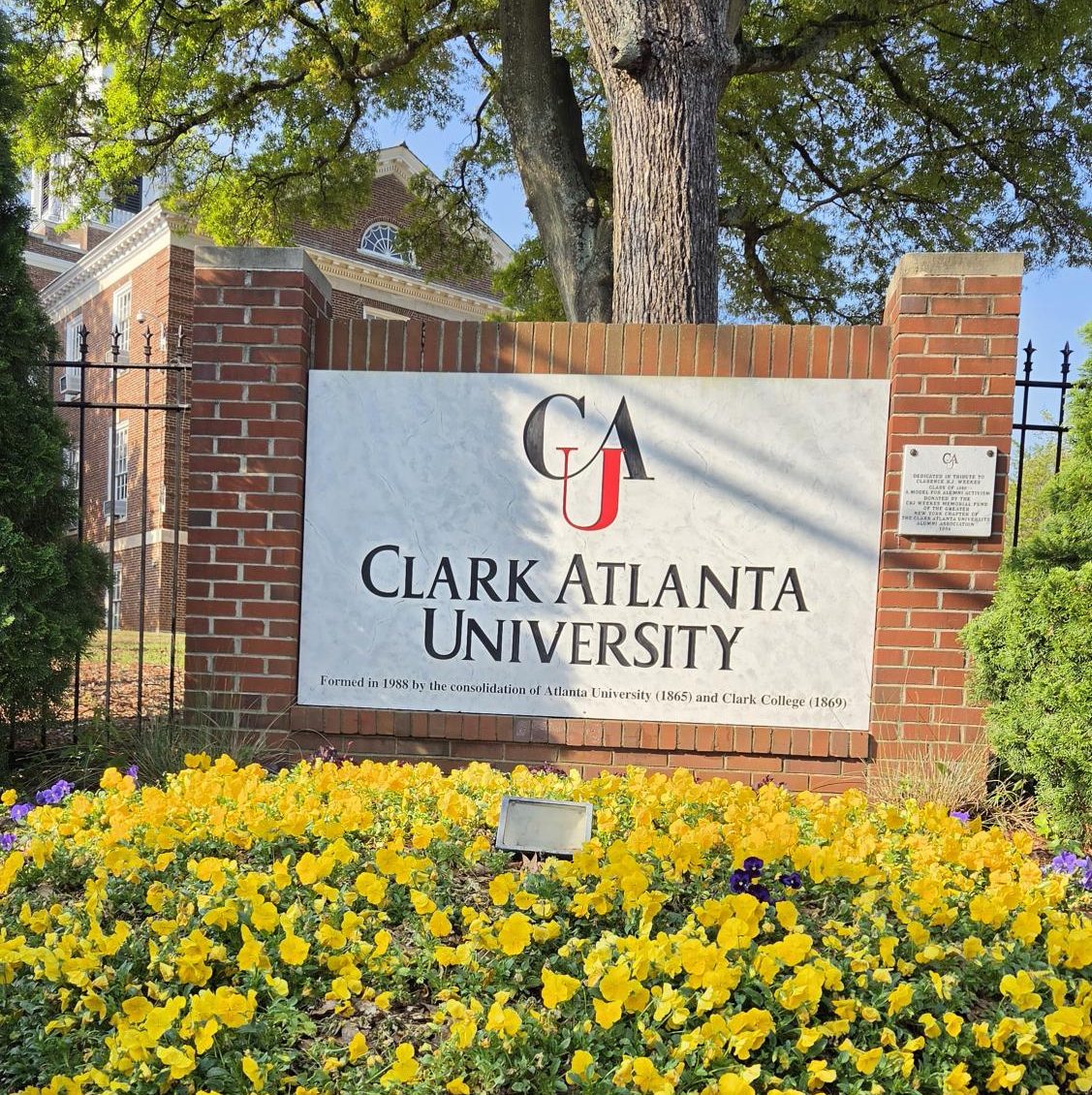
Clark Atlanta University Campus
-
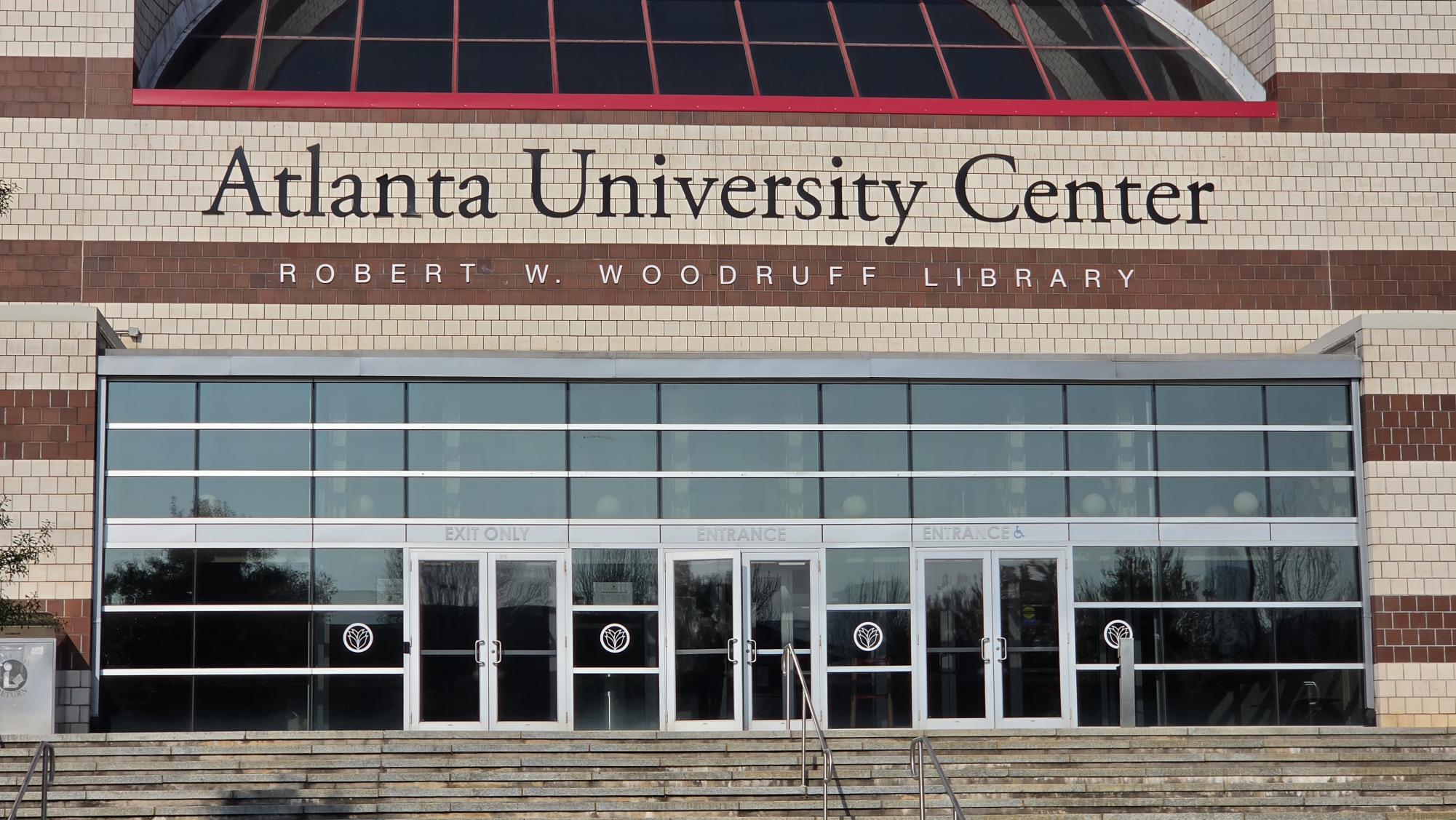
Atlanta University Library
-
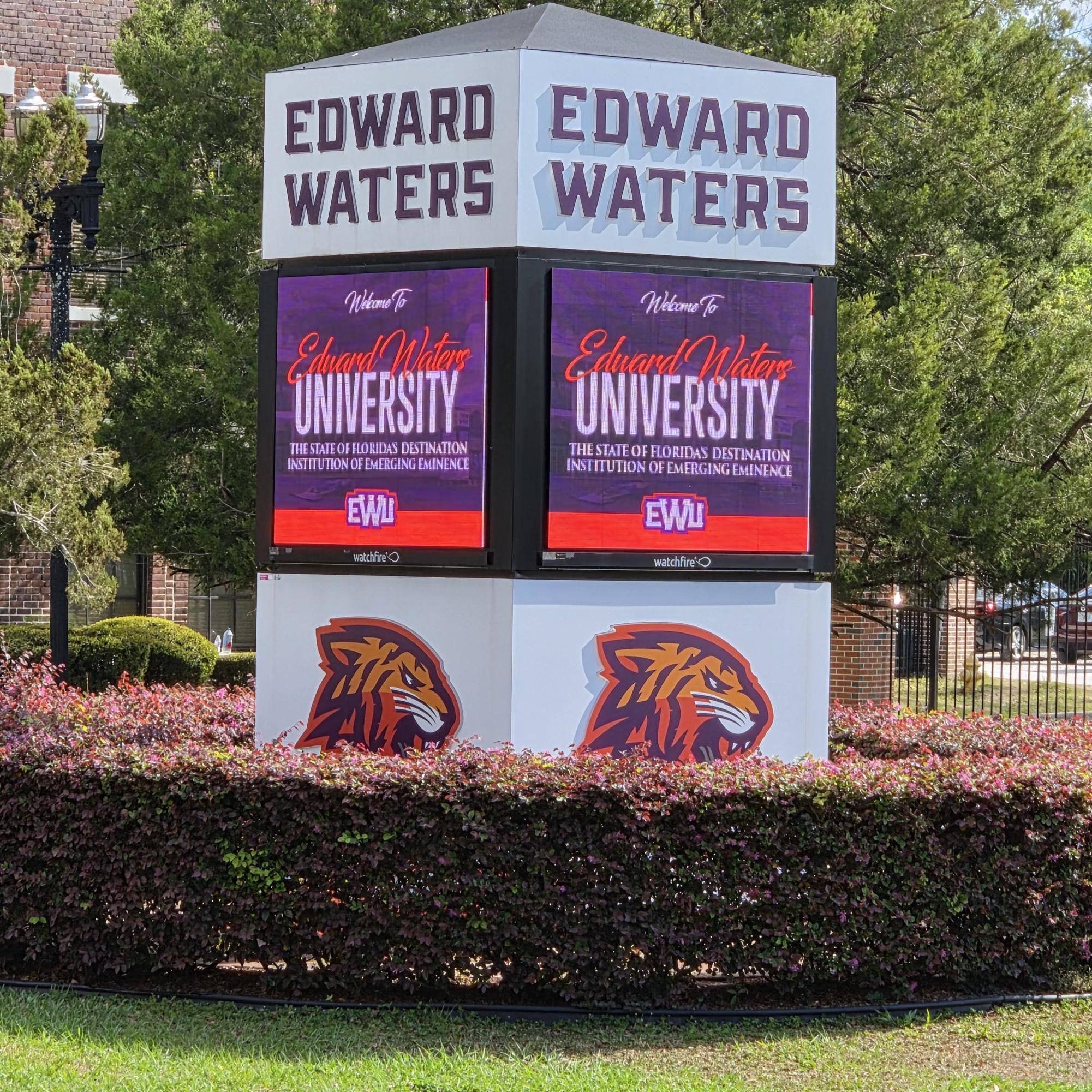
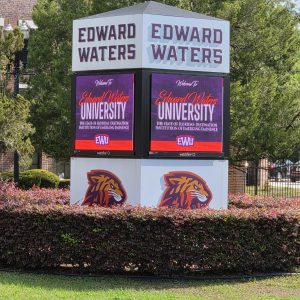
Edward Waters University Campus
-
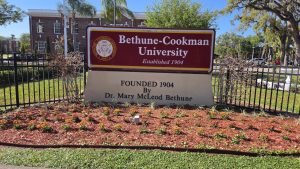
Bethune-Cookman University Campus
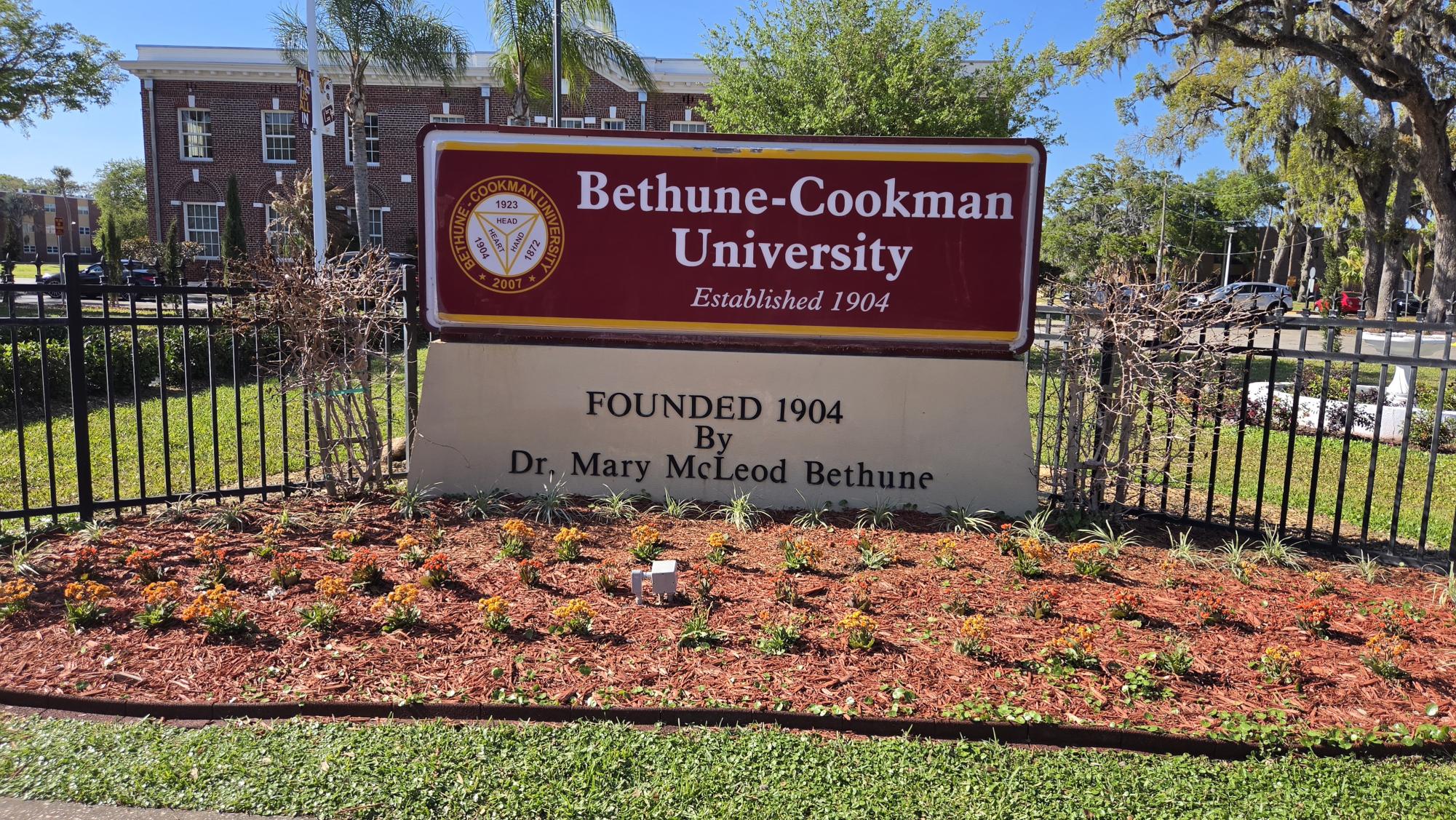
-
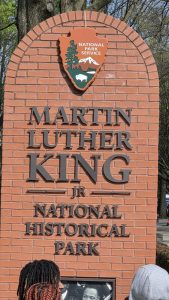
Martin Luther King Jr. National Historical Park
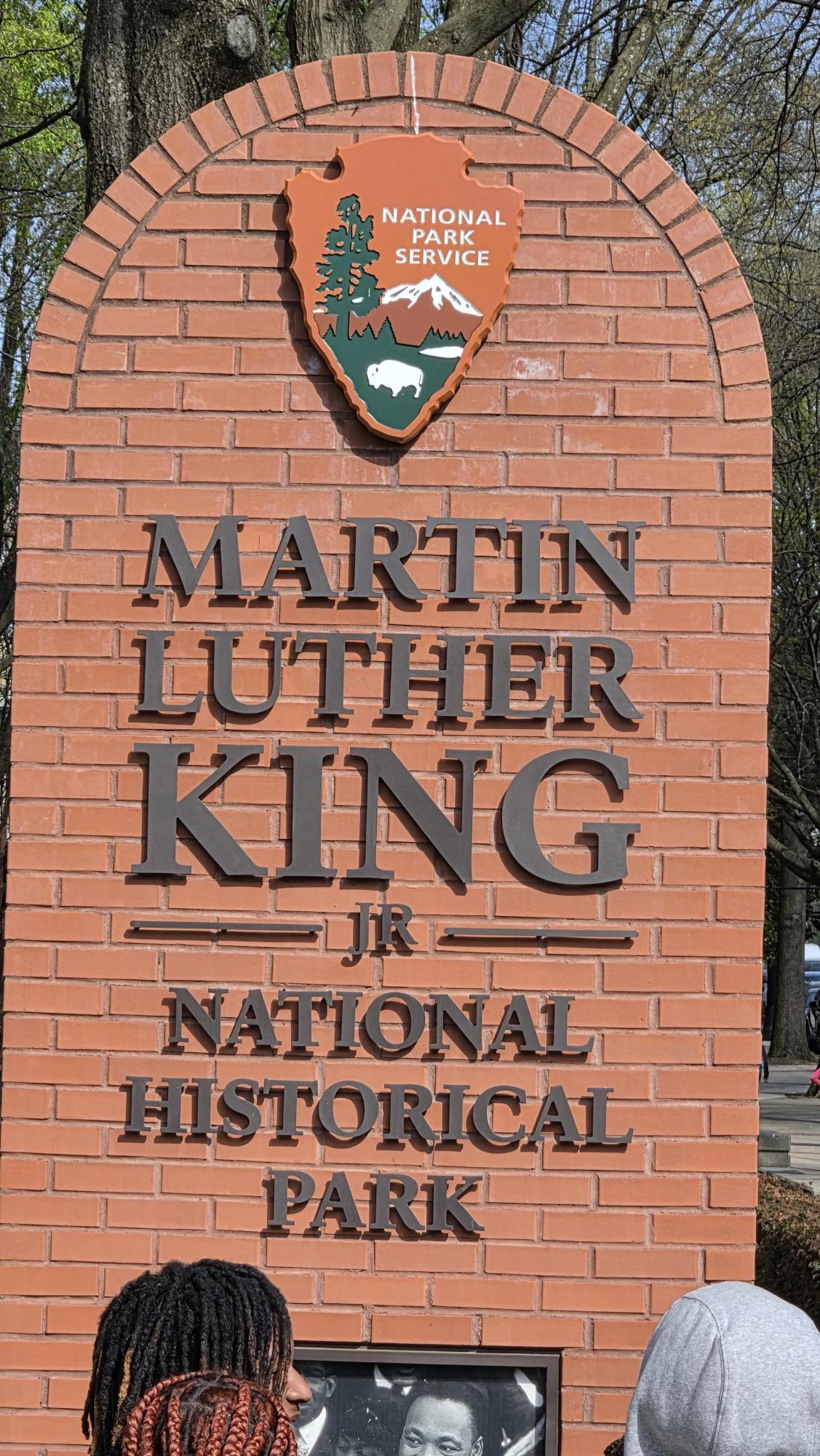
While the tours have already made a meaningful impact, Young sees room to make the experience even more powerful.
“I wish that some of the tour could be personalized for the students; It’s more of a generic tour. To really be able to slow it down and spend one day at a college and be able to experience what student life is like would be the only thing that I would change about it,” Young said.
As the next group of applicants fills out their forms, the conversation about HBCUs at Clayton is growing louder, and for students considering the trip, the message from those who have already taken it is simple.
“Try it honestly. I didn’t know anything about it until my counselor came up to me. And I was just like, why not?” Percy said.
![Dorsey teaches his third-period geometry class on Thursday, April 9. "I enjoy that [the students] are willing to get up, work at the whiteboards and collaborate," Dorsey said.](https://www.chsglobe.com/wp-content/uploads/2026/05/IMG_9493-868x1200.jpg)