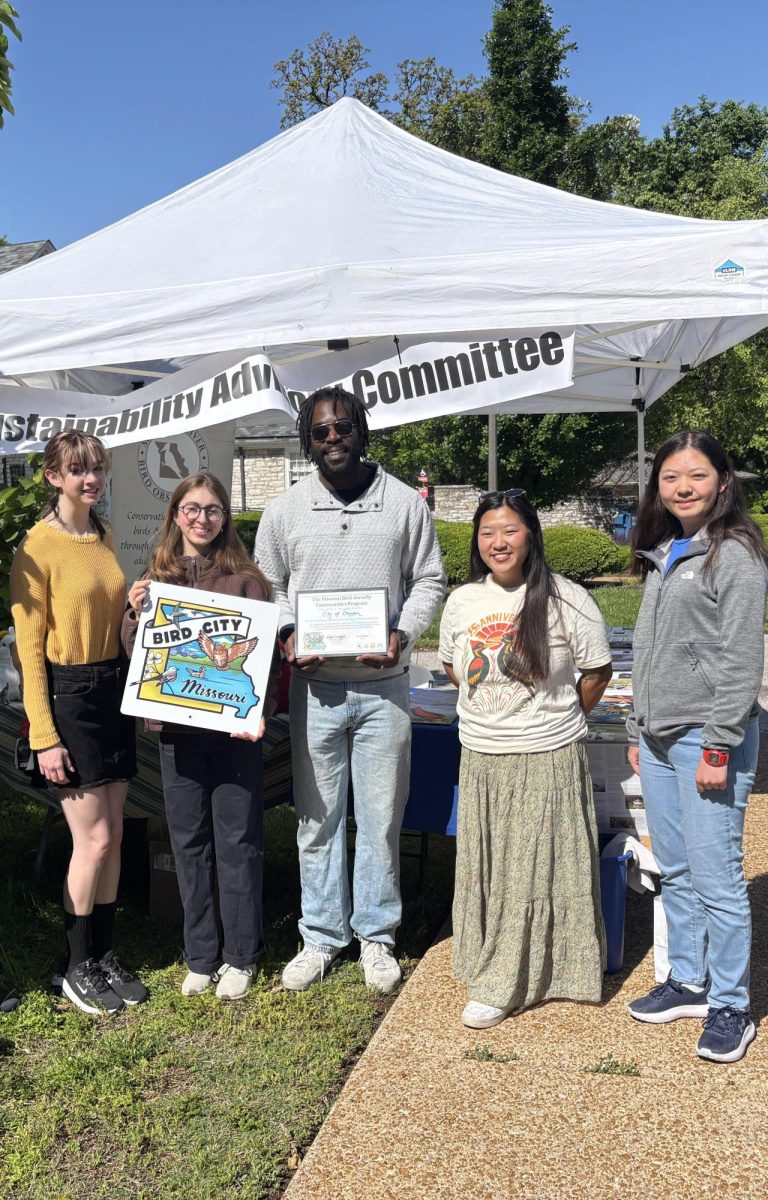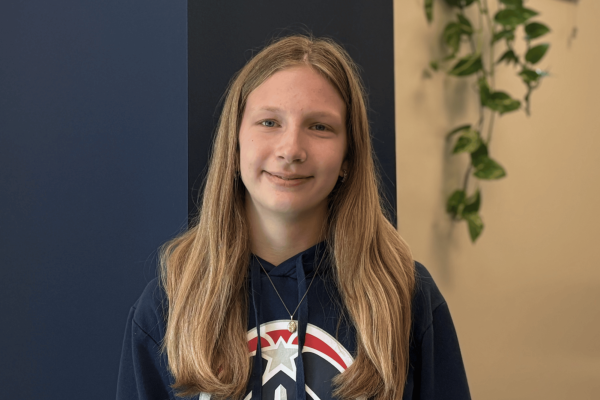

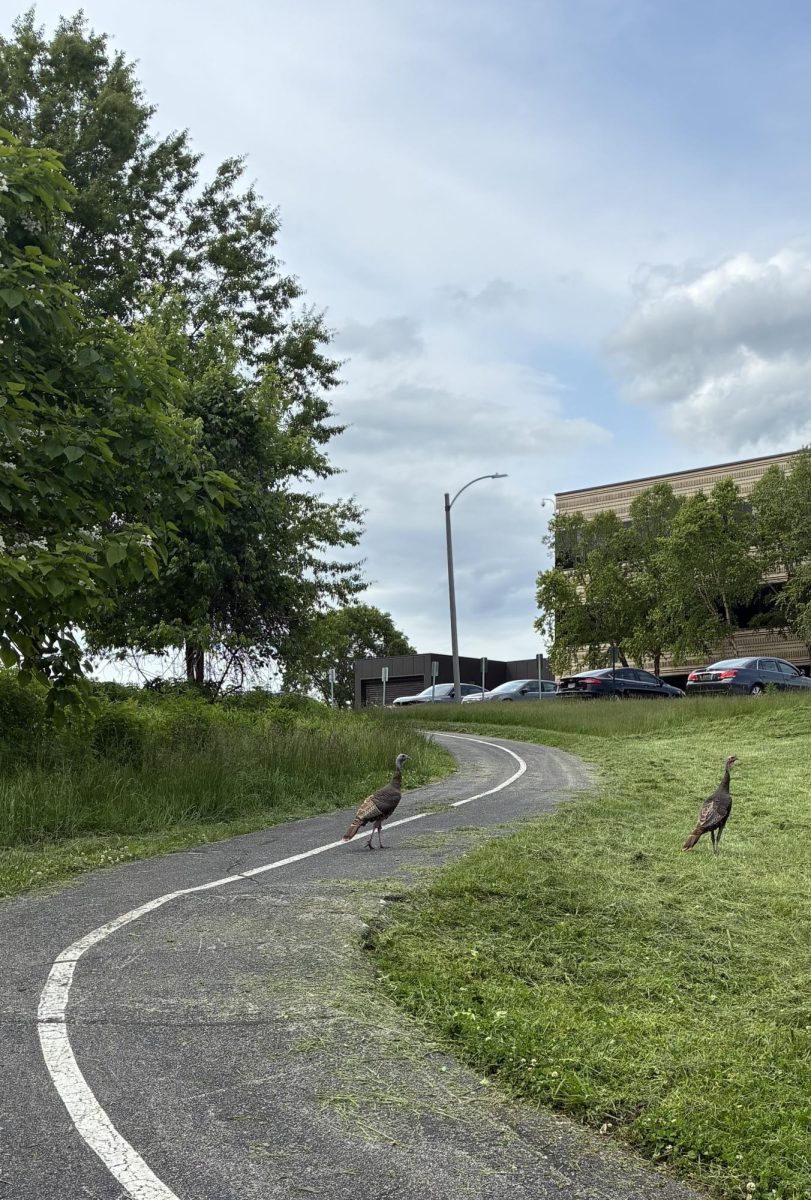
Clayton, recently named a “Missouri Bird City,” is home to many local bird species, and Environmental Science teacher Ava Hughes is currently working on a project with UMSL to map where community members can find certain bird species.
“We are almost like prime real estate for migratory birds,” Hughes said.
Although severe weather events are increasing in frequency worldwide due to climate change, bird populations have proven resilient in the face of a shifting environment.
“There have been natural disasters that have happened in our area long before we were even here, and our bird populations do bounce back really quickly,” Hughes said.
Just because the population will bounce back, however, does not mean that people will see the same types of birds immediately after a significant severe weather event.
“A lot of people assume, oh, it’s a tree, all birds will use it. That’s incorrect. Some will, some won’t. For example, we have some great horned owls in our state. We have a couple in Forest Park, but they will only roost, so that means only make a nest in really, really old trees, so like if you don’t have a really old tree, like you’re not going to see that bird,” Hughes said.
They may not return immediately, but beloved birds will be visible again after a severe weather event, such as last May 2025’s tornado.
“This is going to take a minute,” Hughes said.
Other factors, such as invasive species, may be a more pressing threat to bird populations and the ecosystem at large right now.
“[Starlings are] probably the most prolific invasive bird species in the world,” Hughes said. ”The problem is not necessarily their size. The problem is how their population functions. So they operate in these very large flocks. You’ve probably seen them when they’re just by themselves, like a smaller flock. Most people don’t even realize that’s what they are. It’s when you see those huge, almost moving clouds worth of birds, and our native predators do eat starlings. However, when they’re in a big group like that, it is really hard to predate them.”
One contribution individuals can make to help support healthy bird populations is to create bird-friendly yards.
“Looking at what kind of pesticides and things that you use in your yard, that’s a big one. If you did lose a tree or some vegetation during recent events. Looking into some native options would be really awesome to put in those spaces,” Hughes said.