In April 2024, the University of Florida issued six suspensions of between three and four years for students who participated in pro-Palestinian protests, citing violations of time place and manner restrictions.
An independent student conduct committee (an independent group of students and faculty that reviews alleged violations of the student code of conduct) recommended probation for one student, finding she did not violate the ban. The dean rejected that recommendation and imposed a three-year suspension without an official explanation. For other students, the dean similarly overrode less severe suggested penalties in favor of two to four year suspension; this mark that can follow the students’ academic record and appear in future transcripts, graduate or job applications.
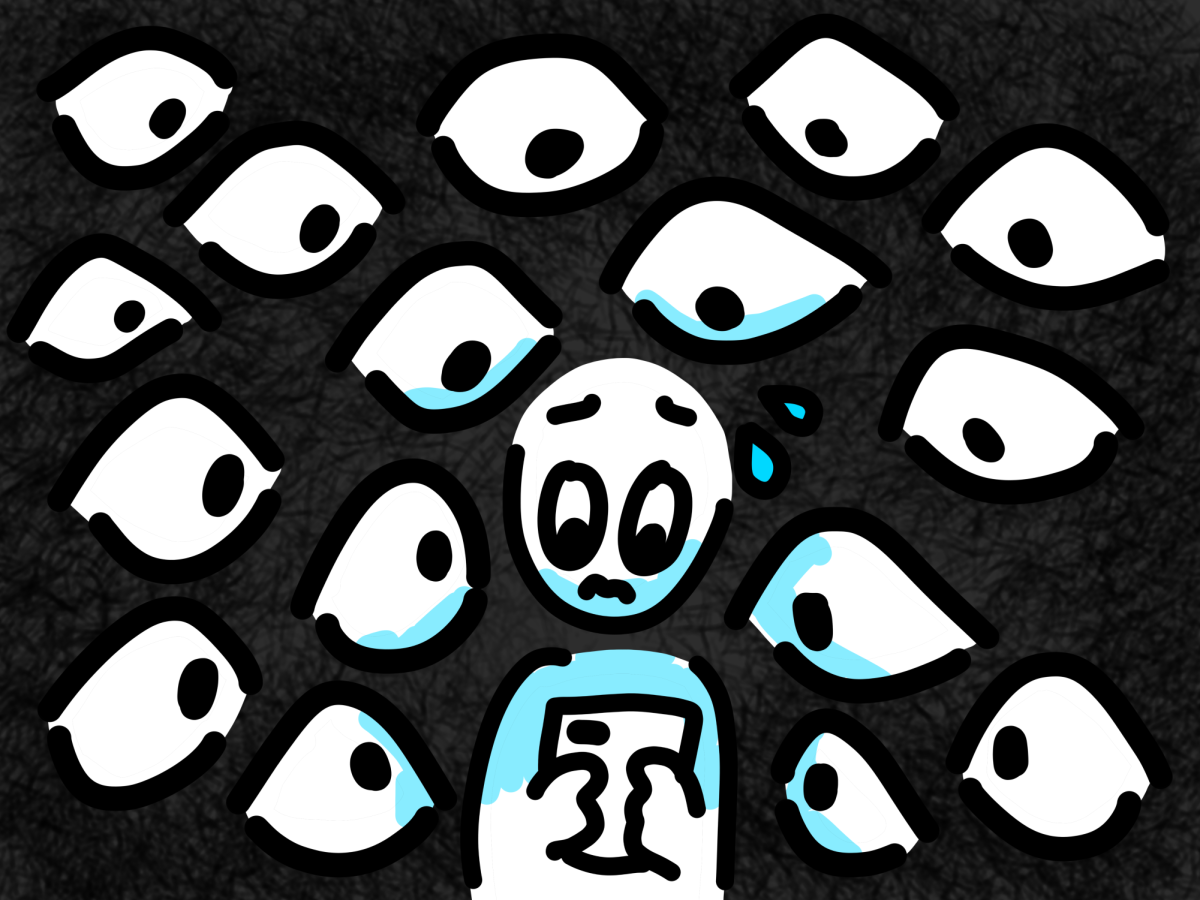
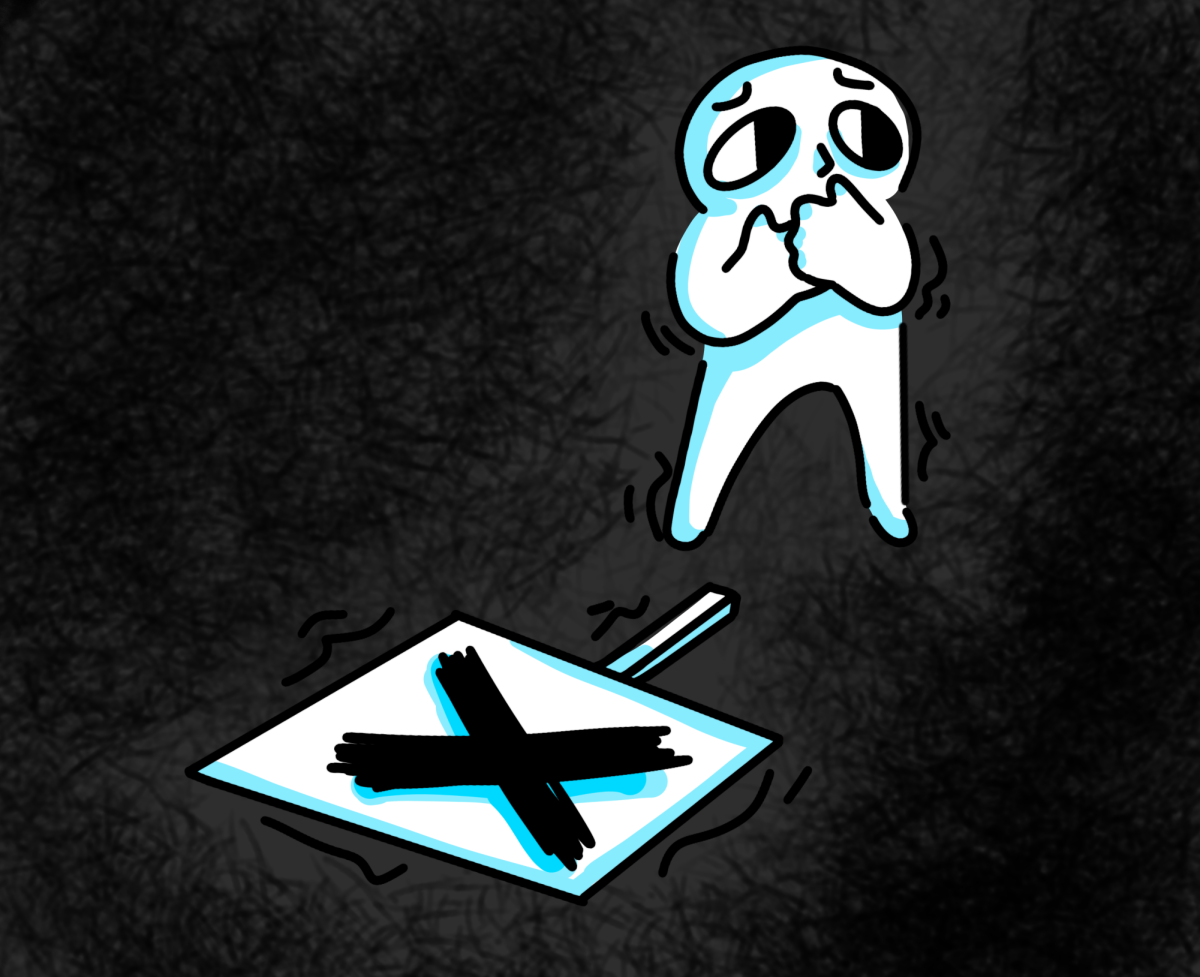
As universities test the limits of what they can regulate in protest, many high school students are left wondering how their own expression might affect their futures. In an anonymous Globe survey of seniors conducted in October 2025, 46.9% said they worry that expressing their opinions could hurt them when applying to college or future employment. In the same survey, 71.9% reported joining a protest or speaking out about an issue, and 40% said they worry that participating in protests could hurt their college admissions.
Senior Samantha Cohen is already adjusting what she shares in applications.
“I have taken a lot of stances on antisemitism, especially within the college applications process,” Cohen said. “I feel strongly about how certain colleges have displayed their support or lack of support towards the Jewish community. There were some of my schools where I didn’t mention my religion on the part of the application where [it] asked, because I know that they have publicly taken stances in the past that are either neutral or have been seen by some people from the Jewish community as hateful.”
Senior Keria Hoisington says the broader political climate has made her more cautious about how visibly she protests.
“I’ve been worrying about [protesting] more lately because of how politics are shaping our country with our current president and our current government,” Hoisington said. “I do feel like it has been affecting [the] college application process more than it has in the past. I feel like we’ve all kind of developed a little bit of hypervigilance to what we say and what we do, in fear that we might be punished for it or looked down upon because of it.”
Hoisington hopes her views will not determine where she ends up, but worries they might.
“I try not to be too loud about my opinions in hopes that [they wont] decide my future, because I don’t believe that [they] should,” Hoisington said. “I would worry that if an administration didn’t like the topic of protest, they would reconsider my application.”
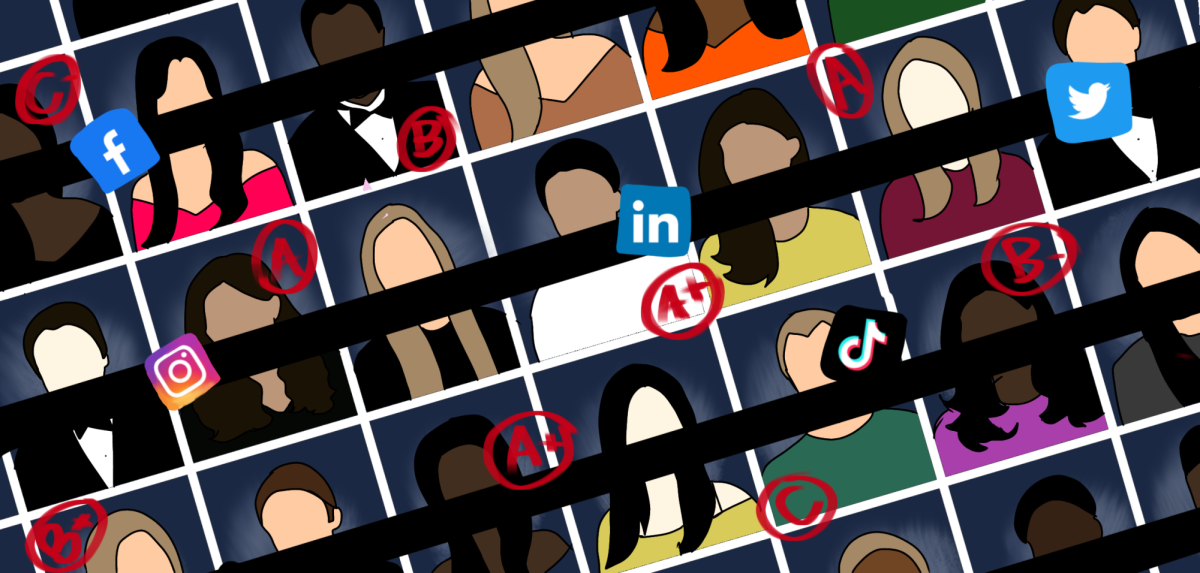
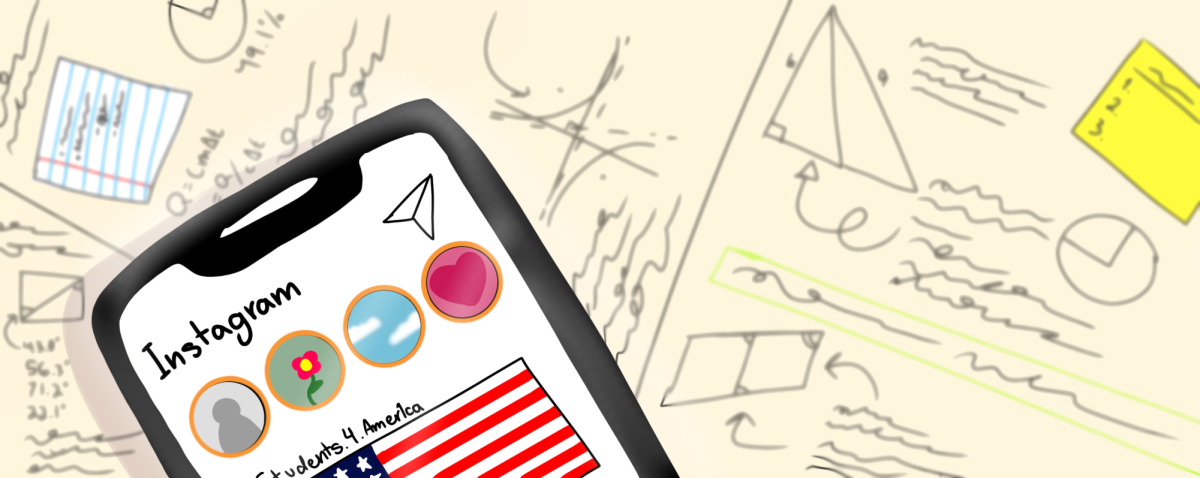
Today, that fear is not limited to marching with signs. For many students, the same anxiety now extends from the streets to the screen. As colleges and employers increasingly scrutinize digital footprints, teens are starting to wonder not only whether their protests will be held against them, but also whether their posts will.