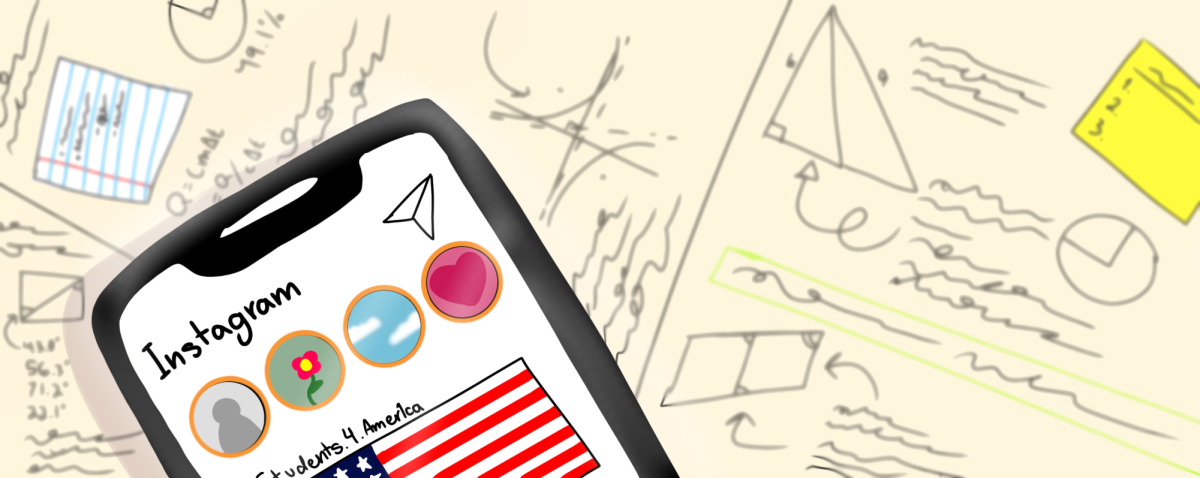

A few months before attending a summer lecture about how admissions teams at colleges view social media, junior Henry Dong turned his Instagram account to “public view” because he did not feel like approving people anymore. But after that session, he switched his account back to private.
“I made that decision because I felt like I needed to present an image that was ‘palatable’ to admissions officers, and the lecture talked about the different ways that an admissions officer looked at your social media,” Dong said.
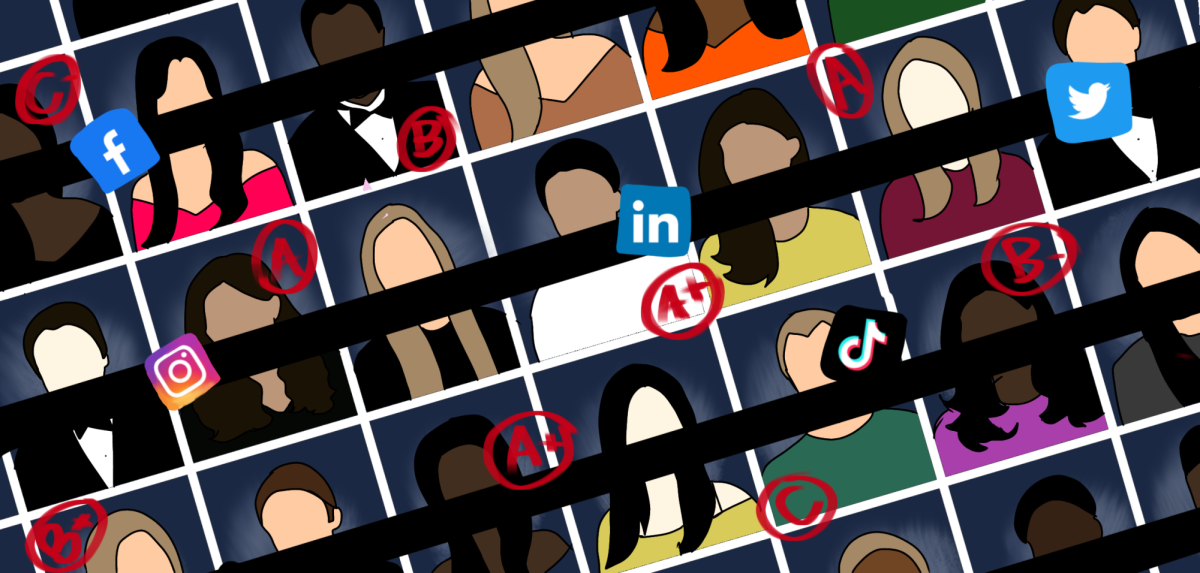
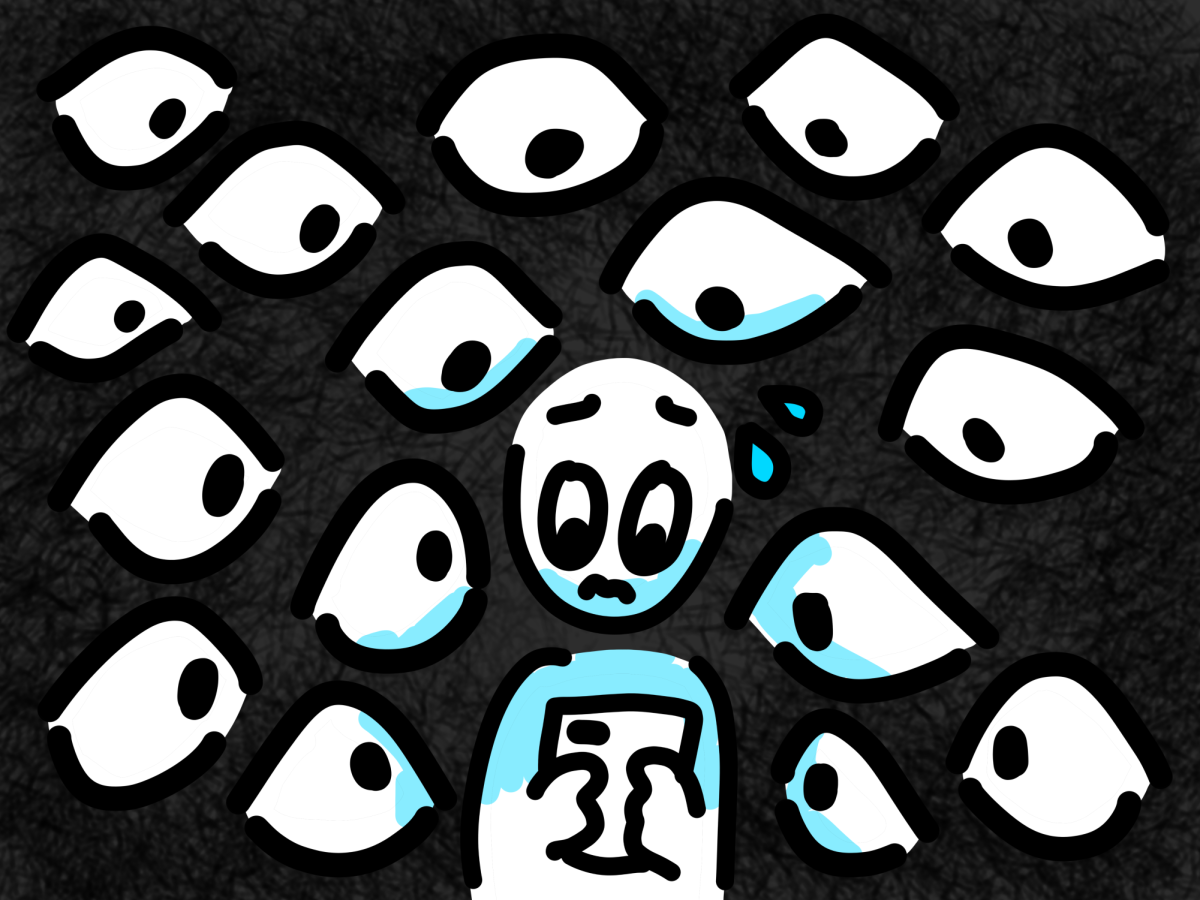
For a significant minority of universiti es, reviewing online profiles is not a possibility—it is an established practice. A 2023 Kaplan survey of admissions officers found that 28% reported visiting applicants’ social media profiles, and 67% believed it was “fair game” for evaluating candidates.

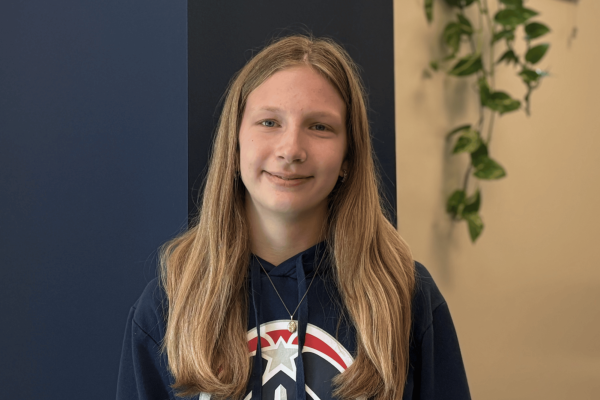
“I completely understand how my social media can be an extension of my public persona and a tool that colleges and universities could try to use to gauge if I would be a match or not for their college,” junior Aspen Meyer said. “I wish that wasn’t a concern, but it definitely is taken into consideration for me.”
Meyer’s also worries about how online posts could impact her future.
“I do not politically advocate online,” Meyer said. “I do not want people’s idea of me to be based on my political identity. I feel that a lot of people can misconstrue beliefs and weaponize them.”
As social media becomes an increasingly common factor in college admissions, students like senior Bean Calsyn have started to think about how schools might interpret their posts.
“I know that the First Amendment protects me legally, but there is nothing stopping colleges from deciding not to enroll me,” Calsyn said.
Calsyn is willing to speak out, despite the risk.

“I’ve worried that what I post could affect my future job and college opportunities,” Calsyn said. “But it doesn’t bother me, my opinions are my opinions. I don’t post things I don’t agree with, and scaring off an organization that disagrees with my views is not exactly a loss.”
She explained that understanding one’s values is crucial to one’s character, even though it is difficult to express that through a screen.
“Knowing what you like and don’t like, having boundaries and being confident are so important to me,” Calsyn said. “This is very hard to translate onto a computer for college admissions, and good character is up to the person determining it.”
Calsyn believes that what students post can say a lot about who they are, and that colleges should take that into account.
“I absolutely think colleges should look at social media,” Calsyn said. “What you post on social media is permanent, and unfortunately, can very well define you in some people’s eyes, especially a job or college that is trying to define you.”
Despite that belief, Calsyn has never deleted a post because of college admissions or avoided controversial topics, even when she knows there could be backlash.

“I have posted very controversial things that have landed me in heated discussions with people I do and don’t know well,” Calsyn said. “Balancing your authentic self and being careful how people perceive you is not something I think about a lot, purely because I try my best to be authentic in every way.”
Other students, like Dong, take a more carefree approach to social media.
“I don’t really consider how others perceive me [online]”, Dong said. “My persona online and in-person doesn’t really change, so if the people who interact with me physically don’t like what I say, they won’t like what I say online.”
Dong’s confidence in his values and eagerness to discuss them make social media a valuable tool for engaging with his peers, but he really prioritizes in-person discussions.
“It’s a lot of moral obligation, sometimes I feel like I ought to speak against something that I think is unjust in the world, and that could be reasonably changed within my own voice,” Dong said. “I focus on reaching out through a more personal connection. I like talking and discussing in person with people that I can see and know, because it’s during these conversations where the most thoughts are changed and exchanged.”
Meyer believes that screening on public platforms as part of the admissions process does not violate her First Amendment rights, but it does influence how she behaves online.
“I still have freedom of expression, press and speech,” Meyer said. “It is my decision to refrain from politics online, despite colleges definitely having input in my decision. The use of social media is just another way to get a full picture of who you are as an individual.”
Calsyn echoes this sentiment, noting that activism online or offline can reveal students’ values. She believes that activism, in any form, should be viewed positively in the college admissions process.
“[Activism] shows confidence and community. It can be many different things, from just posting online to going to protests to creating foundations and charities,” Calsyn said. “I imagine some colleges see this as intimidating, while others see it as empowering.”
She also acknowledged that social media monitoring could affect students.
“I do think that colleges tracking social media could harm someone’s chances at making it to college,” Calsyn said. “It really depends on what they post. Whether you are thinking about college or not, what you post is what people use to identify you.”